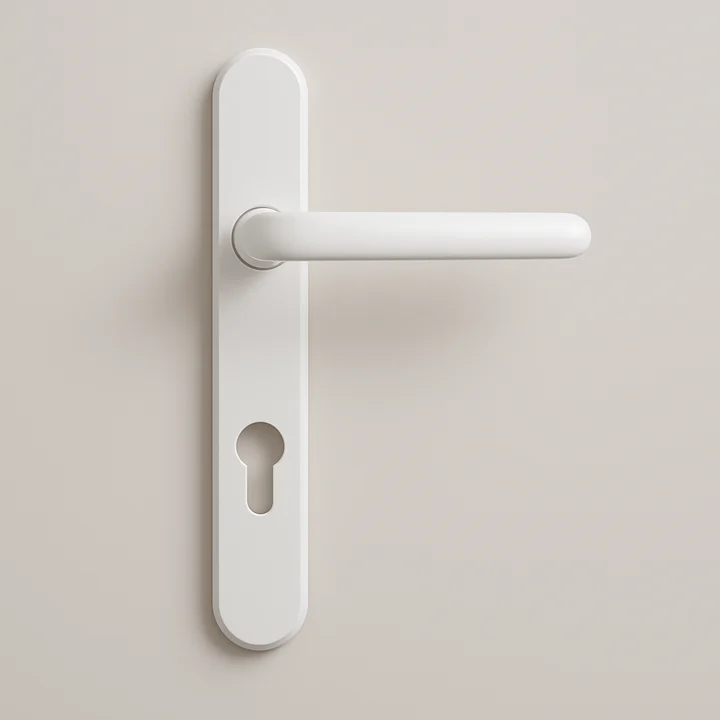
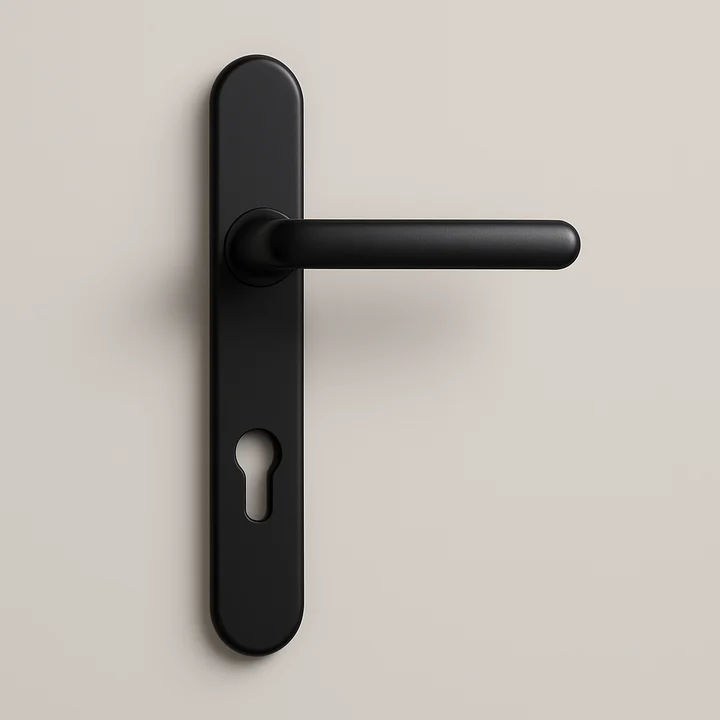
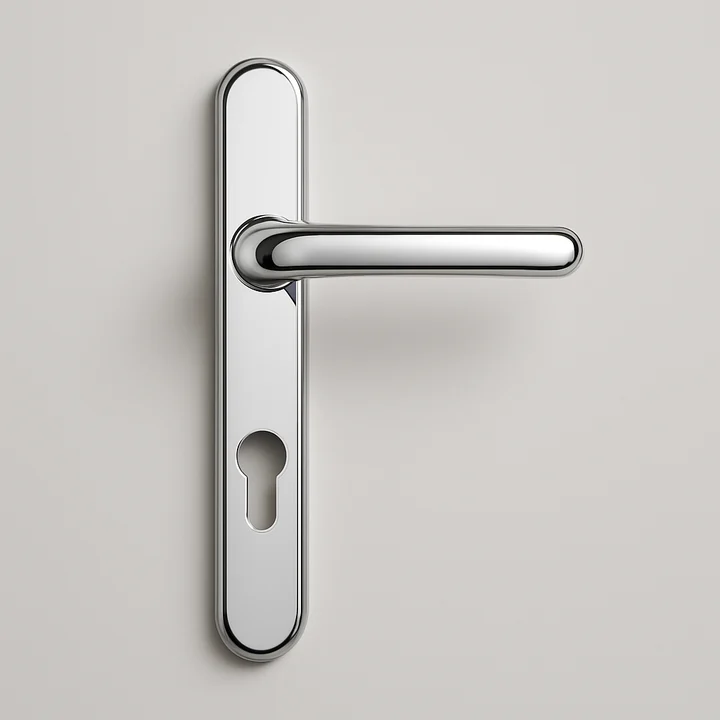
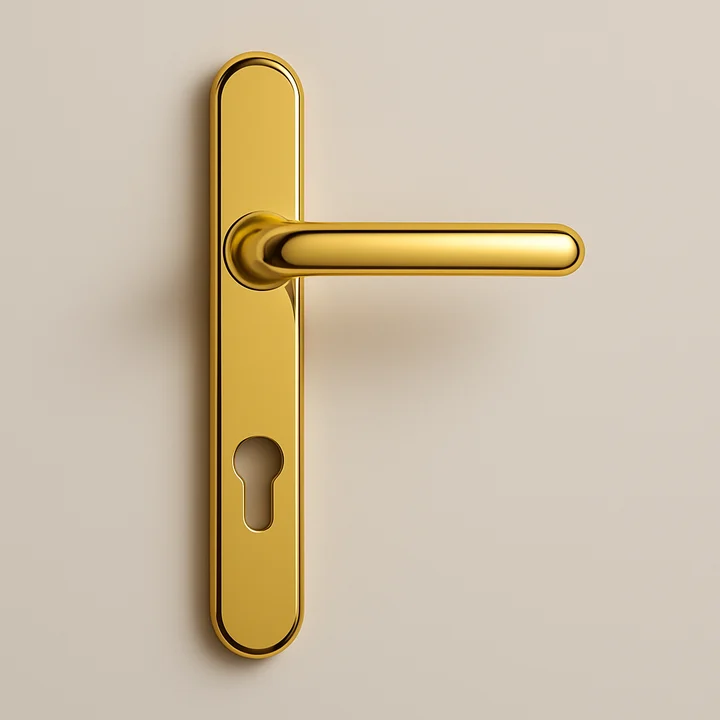
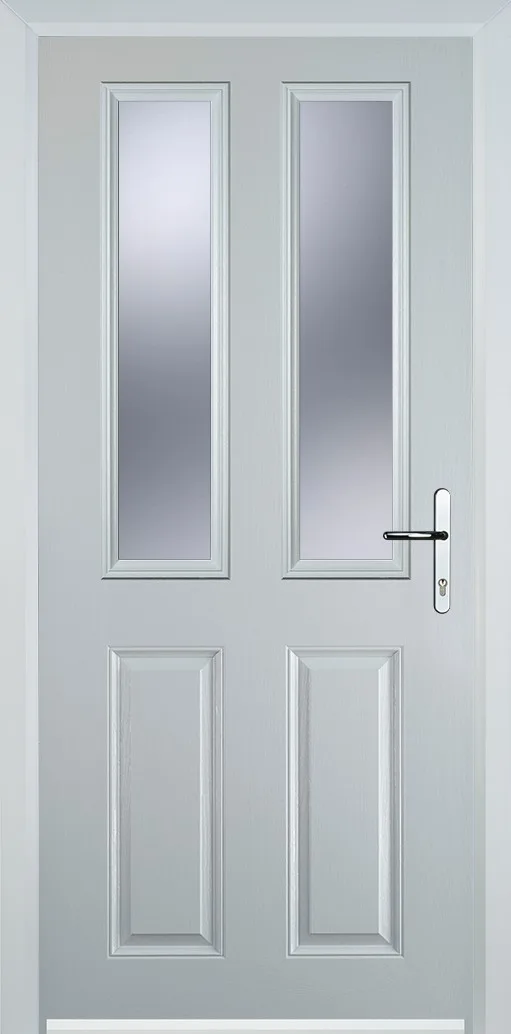
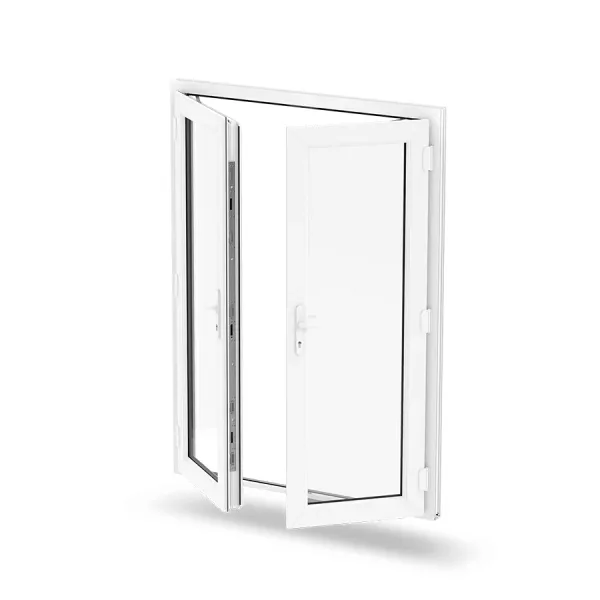
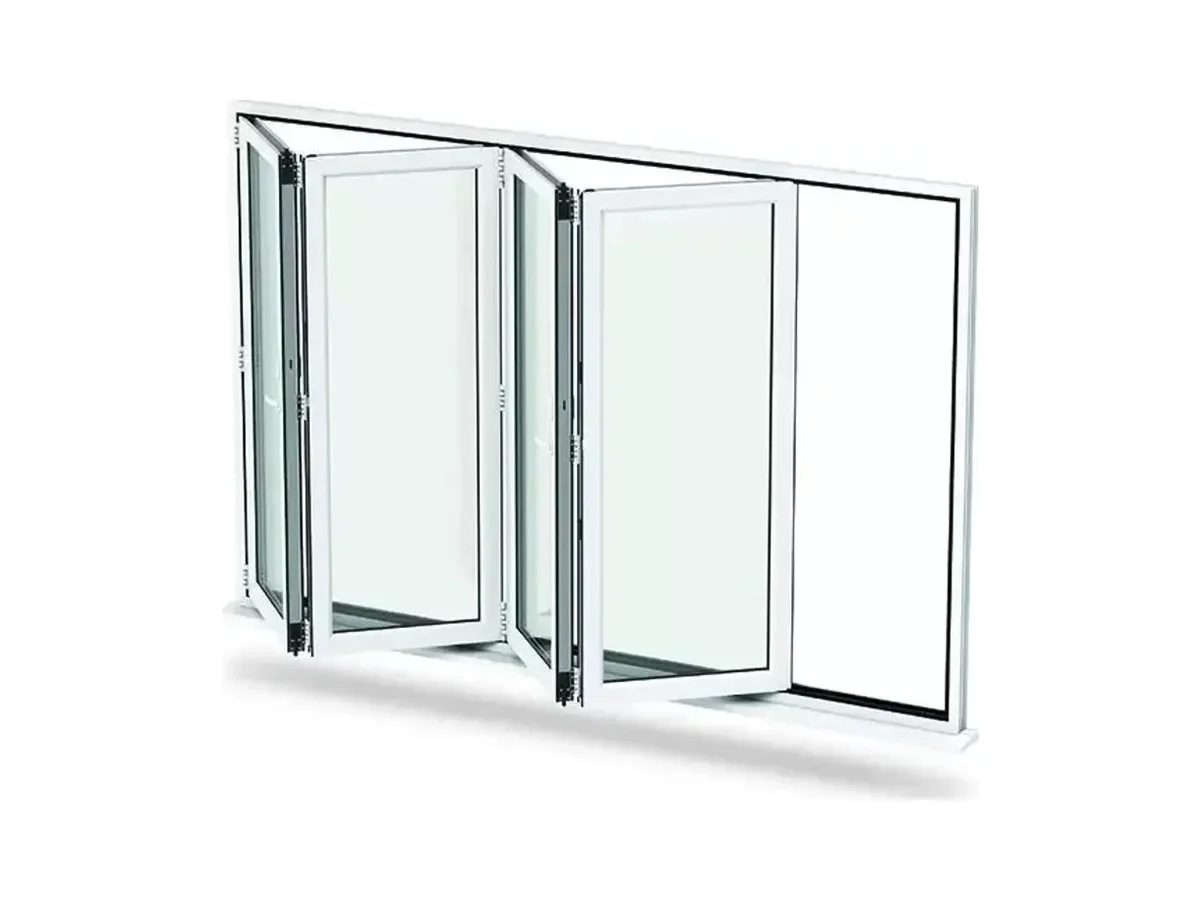
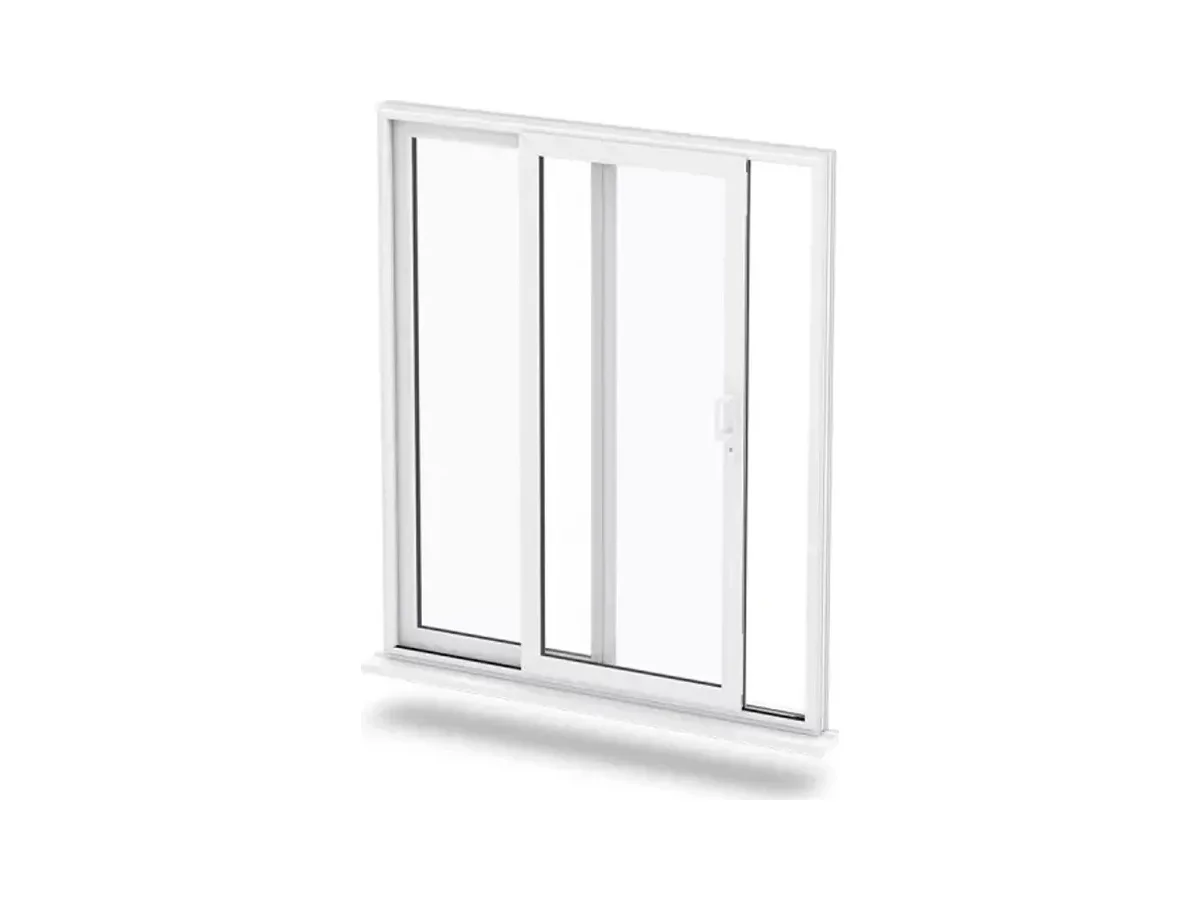
Inside and outside finishes can be discussed separately where the chosen range allows.
Handle and locking finish
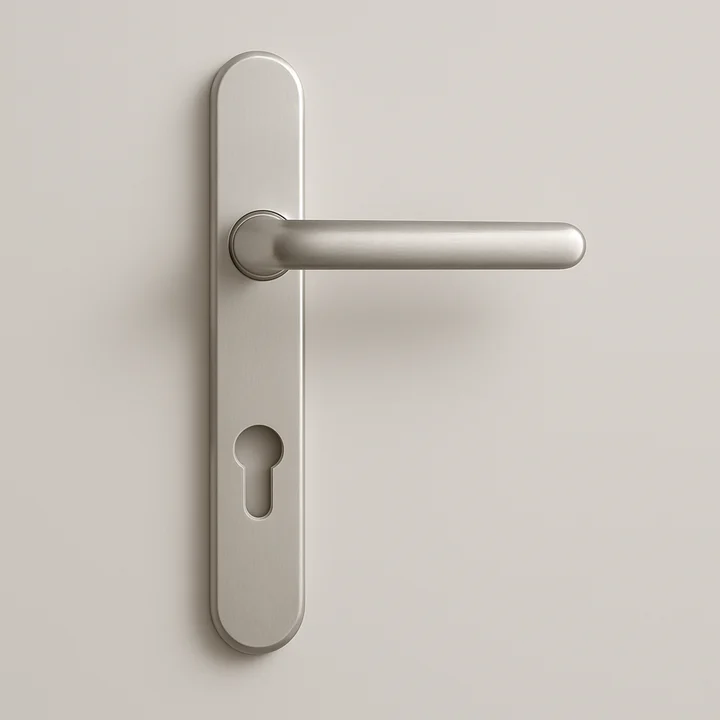
Stable doors need hardware that works with the split opening: handle finish, cylinder, drip-bar detail, and how the upper and lower sections secure together.
WhiteBlackChromeGoldSilver
Made to measure. We show the relevant colour and hardware options during your survey before anything is finalised.
Handle and locking finish
Stable doors need hardware that works with the split opening: handle finish, cylinder, drip-bar detail, and how the upper and lower sections secure together.
WhiteBlackChromeGoldSilver
Made to measure. We show the relevant colour and hardware options during your survey before anything is finalised.
How Stable Doors Work
How a stable door works, what it costs, and when to choose one
This page is led by how the door behaves day to day, then moves into the weathering and locking detail, what shapes the cost, and how a stable door compares with other doors for the same opening.
Made to measure
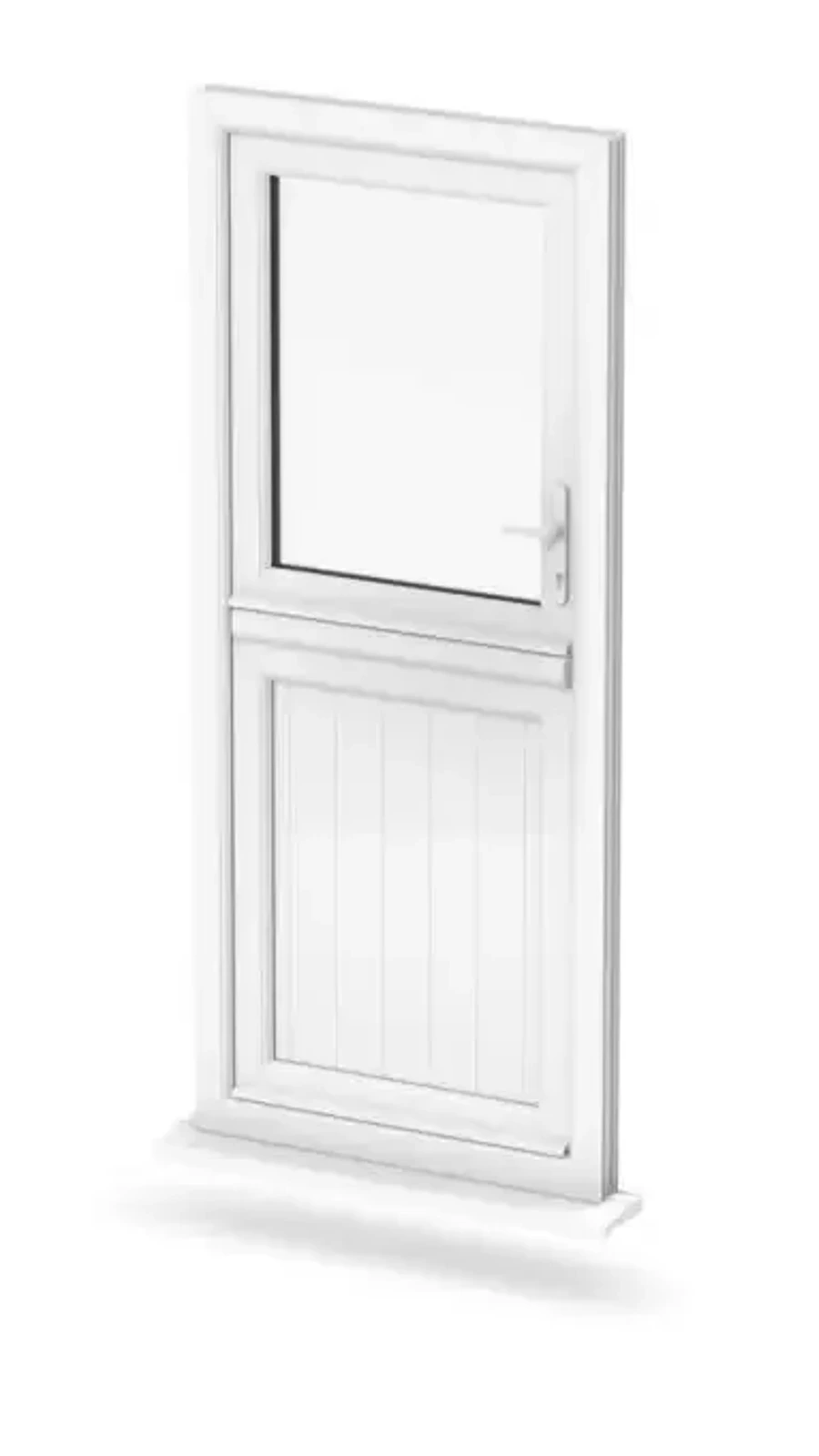
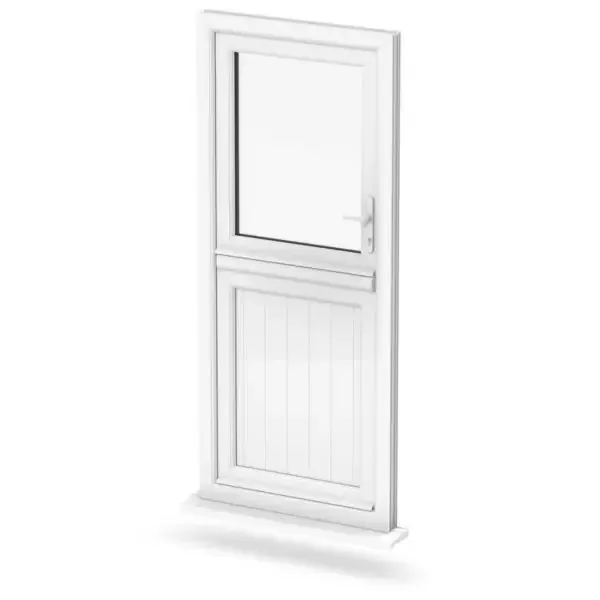
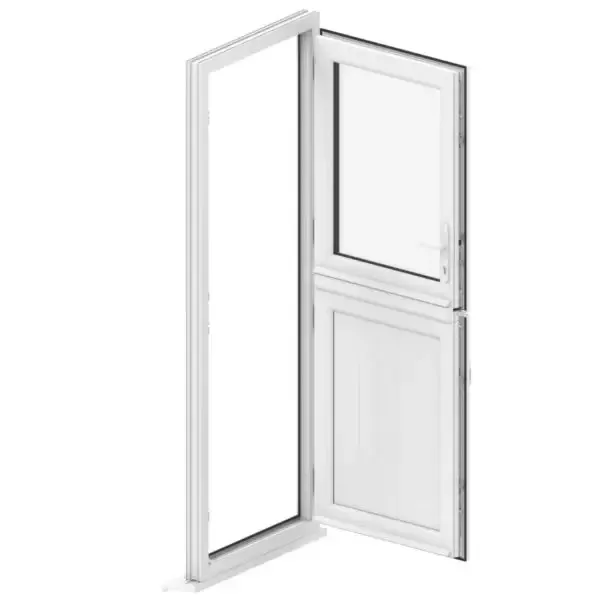
Closed, split for ventilation, or fully open
These are the three positions homeowners compare when choosing a stable door for kitchens, gardens, utility rooms, and family back doors.
Closed and bolted together
When both leaves are shut and locked together, the door behaves as a single secure entrance door with the weather seals and locking working across the full height.
Everyday closed-door security position
Top and bottom sections secured as one unit
Best thermal and weathering performance
Split opening for ventilation
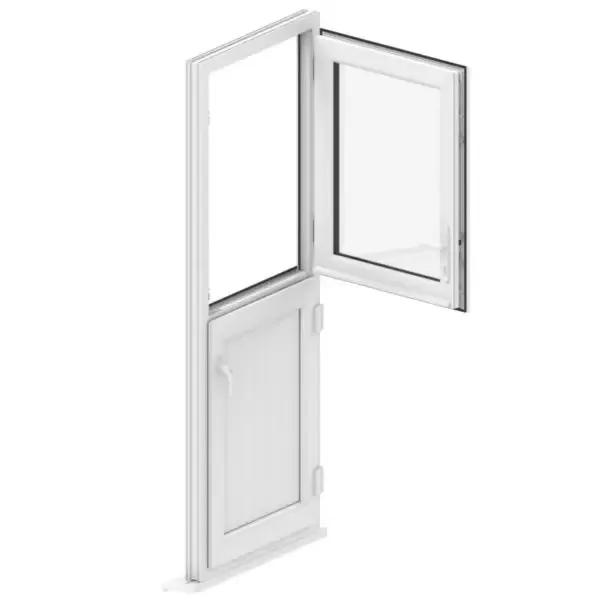
The upper sash can open independently so you can bring in air and light while keeping pets or children inside behind the lower section.
Classic stable-door use case
Good for kitchens, utility rooms, and family back doors
Ventilation without fully opening the entrance
Full opening when both sashes disengage
Both halves can be opened fully when you want the doorway clear for access to the garden, bringing items through, or using the door like a standard rear entrance.
Creates a full clear opening
Useful for garden traffic and wider access
Upper and lower sections disengage cleanly
Locking, drip bars, and threshold detail
A stable door has a meeting rail across the middle, so the locking, drip bars, and threshold do the work of keeping it secure and keeping rain out on exposed rear and side elevations.
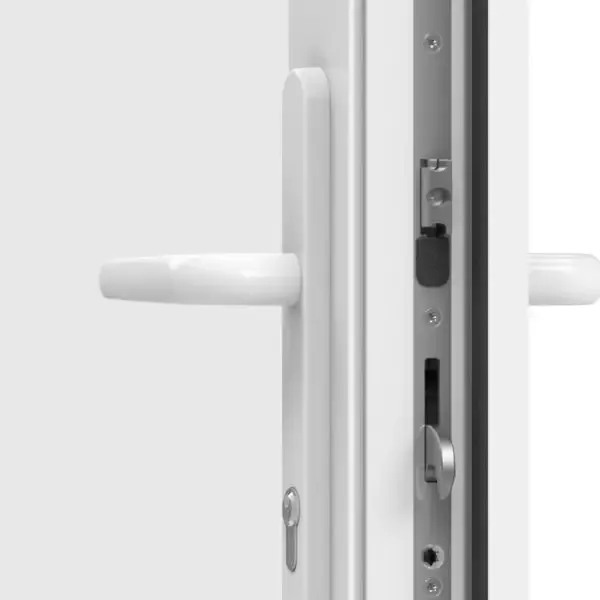
Meeting rail and multipoint locking
The two halves bolt together at the meeting rail, and a full-height multipoint lock engages around the frame when the door is shut. Anti-snap cylinders are fitted as standard.
Halves bolt together at the meeting rail
Full-height multipoint locking when closed
Anti-snap cylinder upgrades available
Double drip bars
Drip bars are fitted to both sashes to throw rain clear of the meeting rail, which is the part of a stable door that has to work hardest on a weather-facing opening.
Drip bars on the top and bottom sashes
Sheds water away from the meeting rail
Important on exposed rear and side doors
Threshold and weather seal
The threshold route is chosen around the finished floor level and how exposed the opening is, balancing a clean step with proper weathering and drainage.
Standard or lower threshold routes
Set around finished floor and outside levels
Perimeter and meeting-rail draught seals
Handles, locking, and cottage hardware
Hardware is chosen after the panel and glazing so the handle, letterplate, and finish suit the door rather than looking added on. Cottage-style options keep the traditional character, while cleaner contemporary finishes suit a modern rear elevation.
Multipoint lever handles
Lever handles are the everyday hardware on a stable door, with the euro cylinder seated into the handle plate and the same handle matched across both halves.
Chrome, satin, gold, white, and black finishes
Anti-snap cylinder as standard
Matched across the top and bottom halves
Letterplates and accessories
Letterplates, numerals, and finishing details are added where the stable door is used as a main access point rather than a simple garden door.
Letterplates and numerals where needed
Finishes matched to the handle
Specified around how the door is used
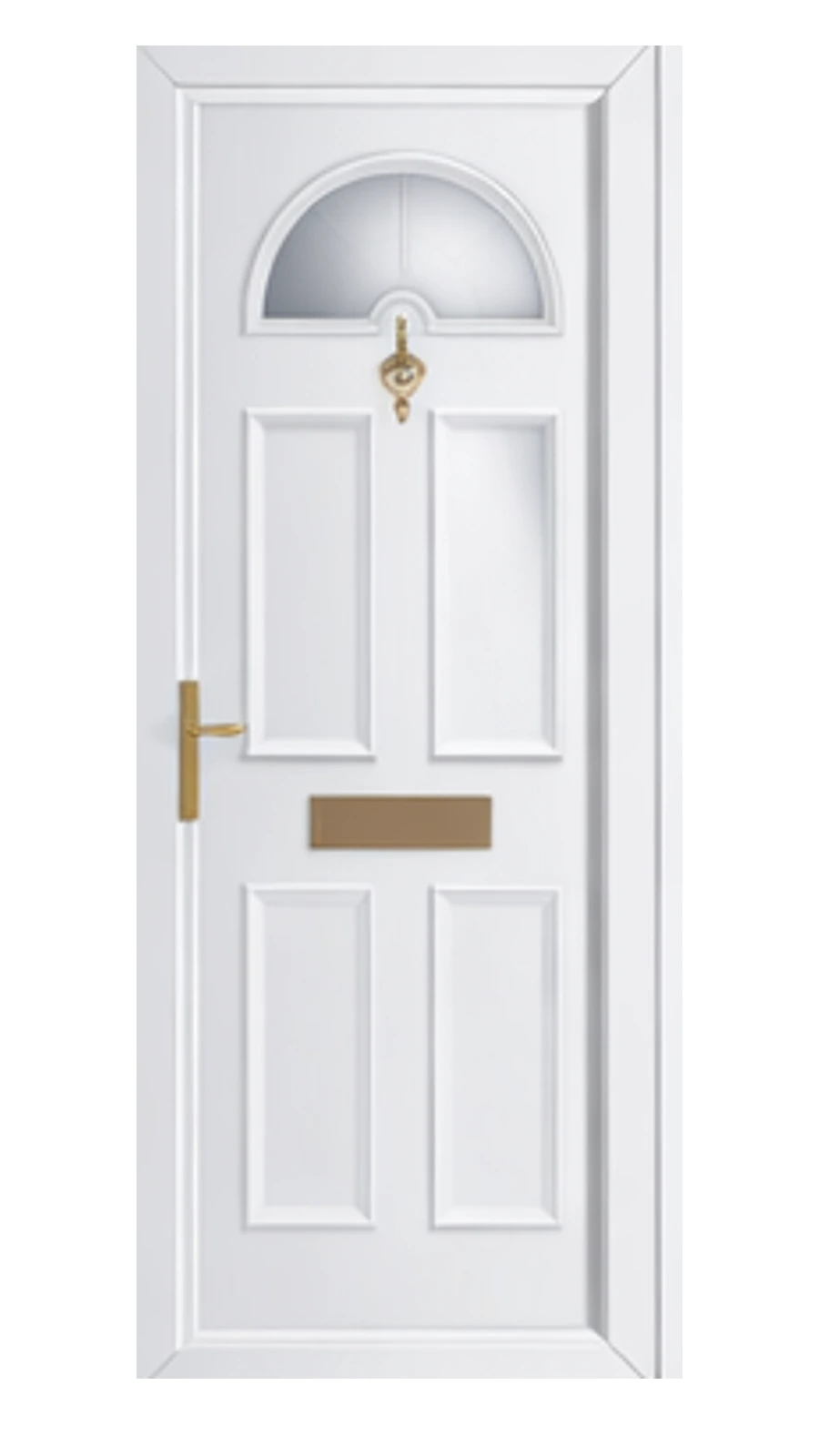
Traditional cottage knockers
Urn knockers and period detailing suit a cottage or character property where the stable door is part of the look of the entrance.
Traditional urn and period styles
Black, chrome, and brass-look finishes
Optional, for a more traditional entrance
What shapes the cost of a stable door
Stable doors are quoted from a measured survey rather than one fixed price, because the cost follows the choices you make. These are the main things we price around.
Material: a uPVC stable door is the value route, while a composite stable door costs more for a more solid, insulated feel
How much of the upper half is glazed, and the size of the glazed top
Glass choice: clear, obscure privacy, or decorative cottage and leaded styles
Colour and woodgrain foils inside and out, beyond standard white
Locking and cylinder spec, including anti-snap cylinder upgrades
Drip bars, threshold route, and how exposed the opening is to weather
Removing the old door, making good, and access to the opening
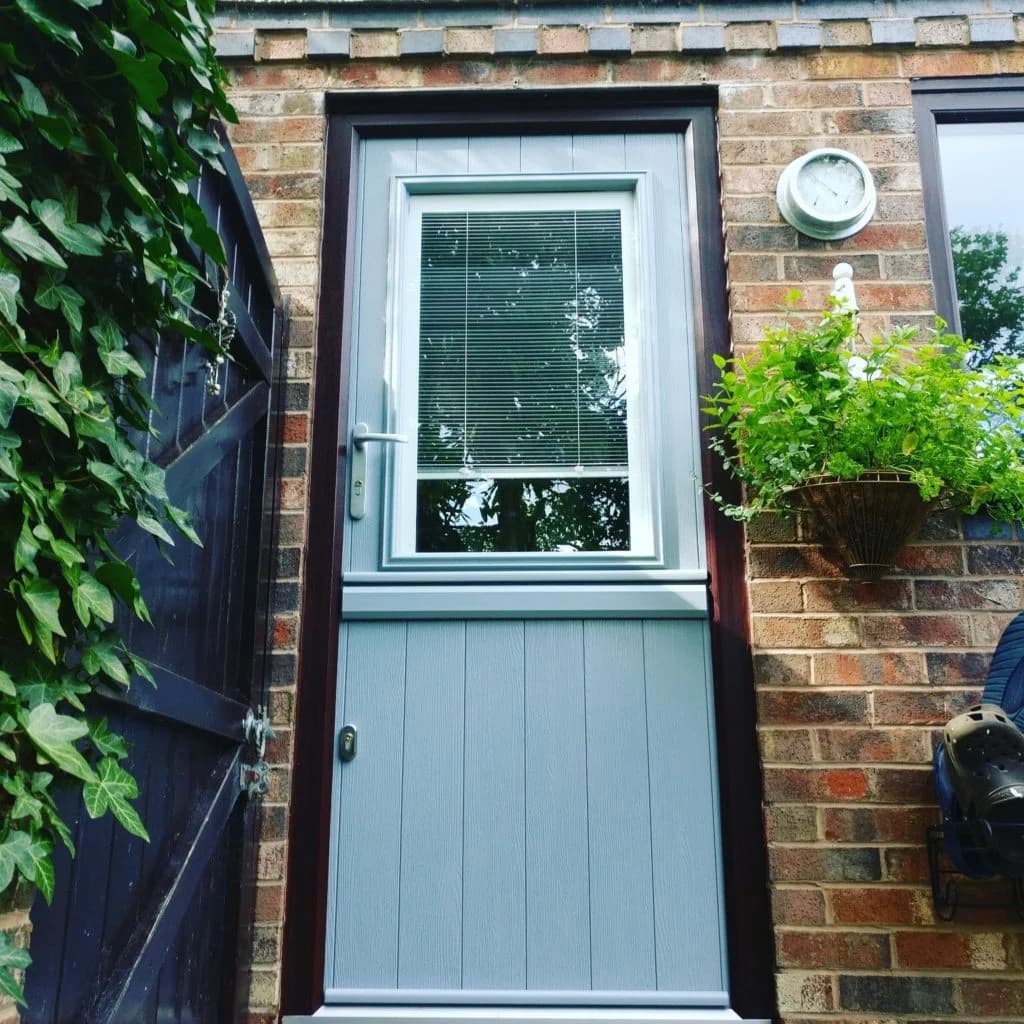
Optional integral blinds where the glazed top faces a neighbour or path
Because these choices vary house to house, the final price is confirmed at a free survey with a fixed written quote, not a fixed online price.
Detail & survey
Glazing, specification, and survey checks
Optional Upgrade
Privacy control for glazed stable door tops
Stable doors are chosen for ventilation and everyday garden access. Where the top leaf or side panel is heavily glazed, integral blinds can help control privacy without adding a loose blind to a door that is opened often.
A tidy glazed-top option
Most useful when the stable door has a larger top glazed section or nearby side panel.
Useful on stable doors when
The top leaf is glazed and faces a neighbour or path
You want daylight while keeping lower-level privacy
The door is used often and loose blinds would be vulnerable
Blind types we can discuss
Magnetic integral blinds
A slim magnetic slider raises, lowers, and tilts the blind inside the sealed glass unit.
We measure the opening and threshold, check the floor level and how exposed the door is, and agree the details a stable door lives or dies on: the hinge side, which way each half opens, the meeting-rail height, and whether uPVC or composite suits the opening.
Step 2
Made to measure
Your stable door is built to the measured size in the chosen material and colour, with the upper-half glazing, drip bars, threshold, and the full-height multipoint locking that bolts the two halves together all locked in before manufacture.
Step 3
Install & split adjustment
Our Cii team fits and seals the frame, adjusts both halves so they meet and bolt cleanly at the meeting rail, checks the top opens independently while the bottom stays secure, and hands over with Assure certification and the Cii 10-year guarantee.
Free Survey
Ready to price up your stable doors?
Tell us the opening and the finish you want, and we will survey it, confirm the stable doors specification, and give you a fixed written quote with no obligation rather than a generic estimate.
Free surveyFixed quoteDirect Cii installation team
A stable door earns its place when you genuinely want the top half to open on its own. Where that split opening does not matter, another door type is often the better fit.
“New stable door for the back of the house. Looks fantastic and the build quality is excellent. The team were punctual and professional throughout. Very happy.”
Checkatrade
“Thoroughly recommend this company. From the first call I was given really helpful advice and fitters came out the next day. The fitter was very knowledgeable and helpful, completed the job, and gave good advice on other areas we needed looking at. Will definitely use again and have no hesitation recommending them to friends and family.”
Checkatrade
“Good price and hassle free. The doors look brilliant, exactly what we wanted. The fitters were friendly and left everything spotless.”
Based in Romford, we regularly work across Essex, North and East London, and into Hertfordshire. If you are not sure whether we cover your area, just give us a call.
Find Us
Our Workshop
Address
Unit 1 Avenir Works 22-23 Danes Road Romford, RM7 0HL