
Windows

French Casement Windows

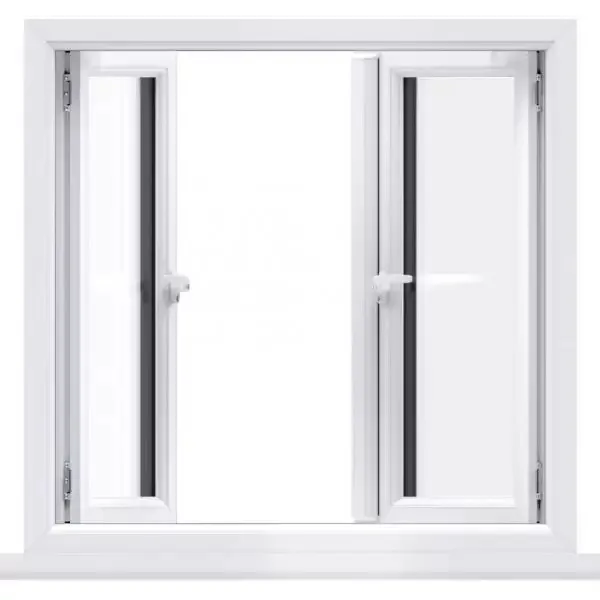
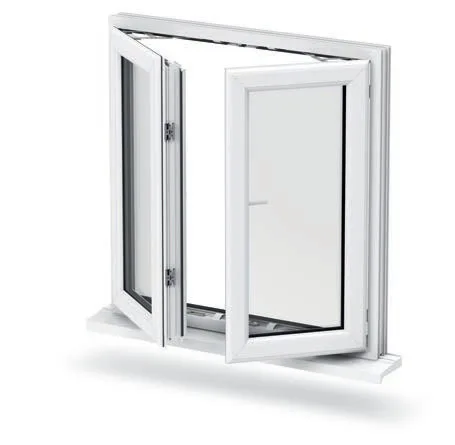
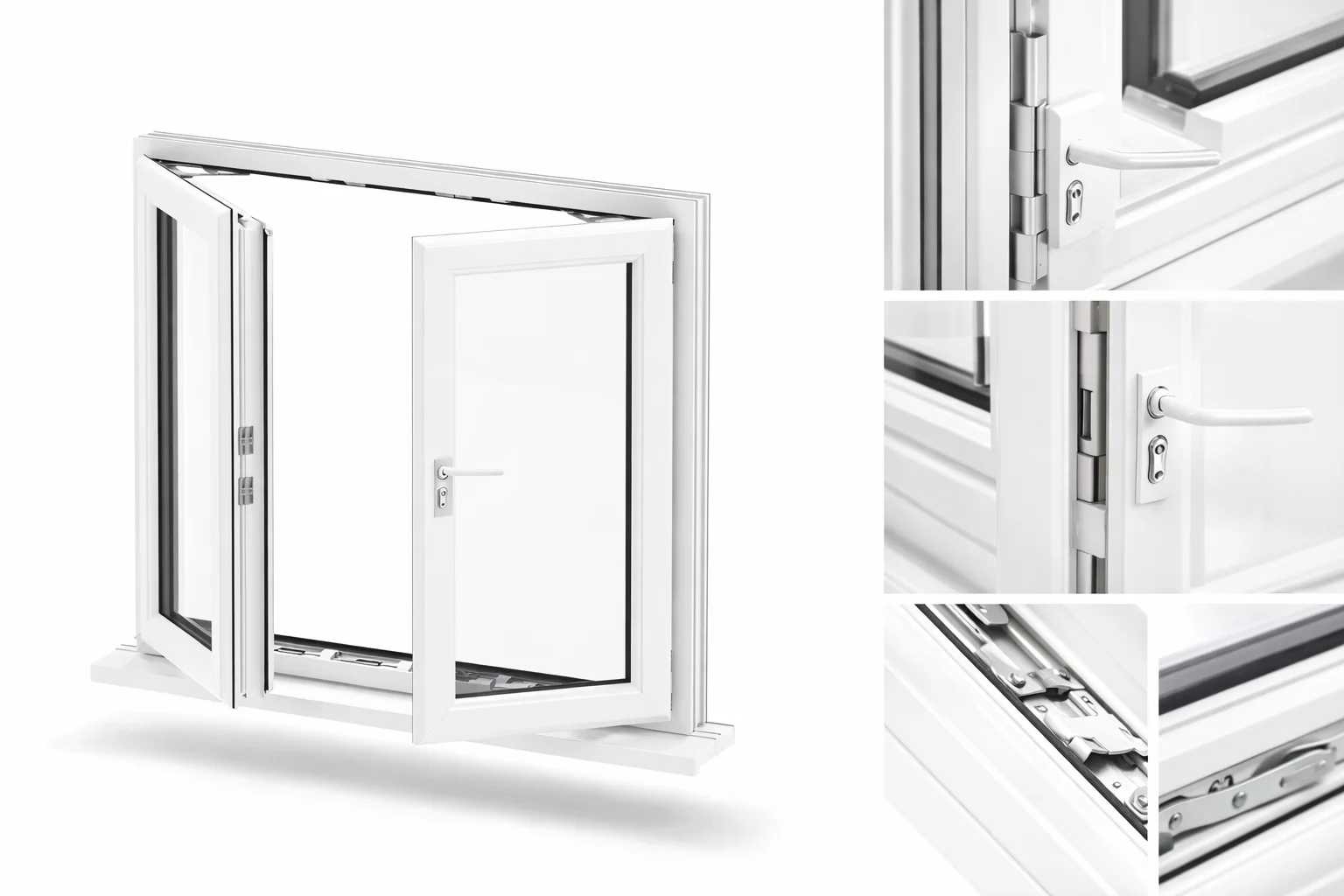
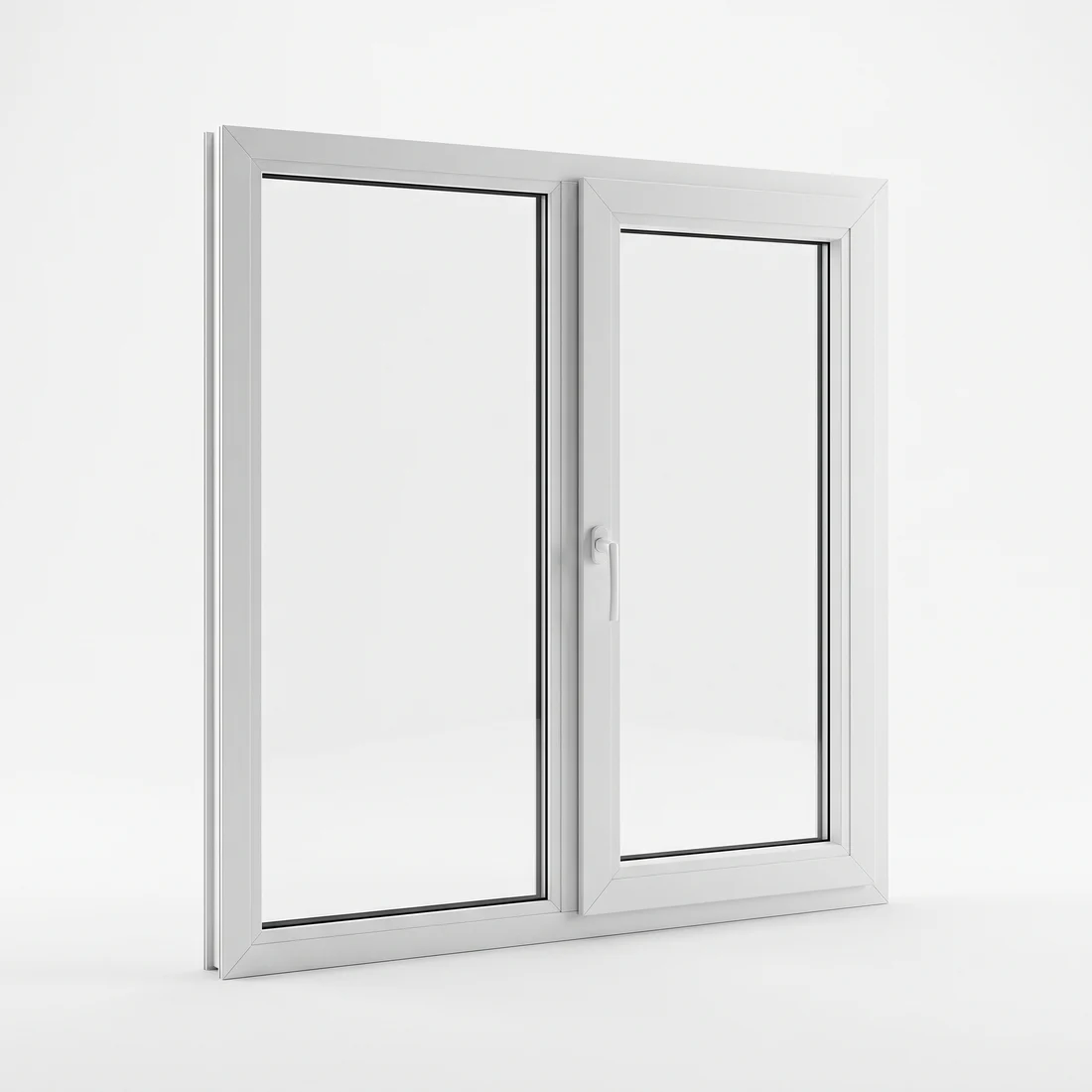
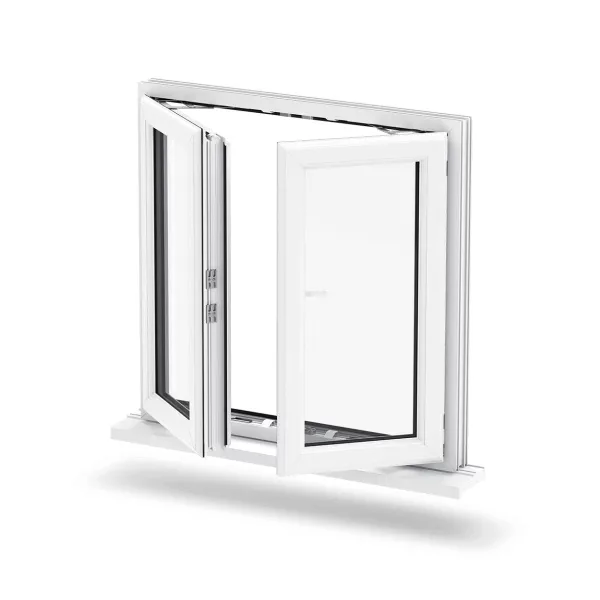
Two sashes open from the centre for a wider clear opening and less frame in the view.

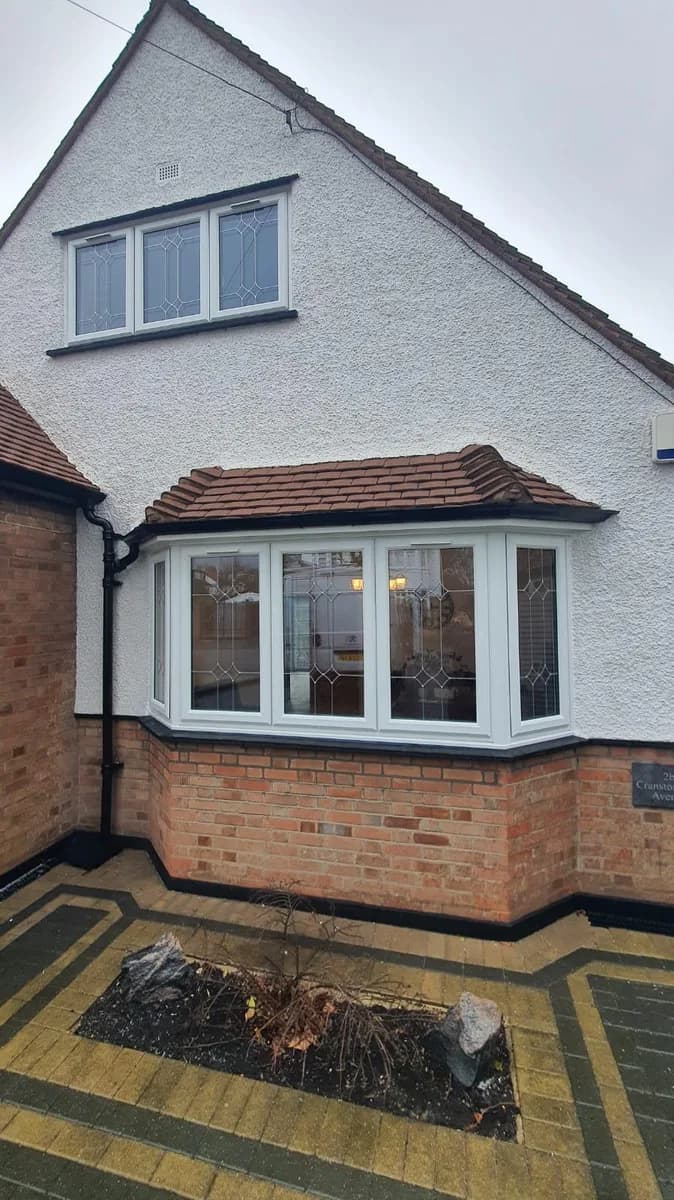
French Casement Windows installed by Cii Double Glazing in Essex
  • 70mm multi-chamber frame
  • Up to A+14 rated
  • U-value 1.3 W/m²K (double) or 0.9 W/m²K (triple)
  • Full 90° opening, no central bar
020 8500 9100
10YEARGUARANTEEAssure Certification£FINANCEAVAILABLE

Overview

What is a French casement window?

French casement windows open both sashes outward from the centre, eliminating the central vertical mullion that would otherwise divide the opening. The result is an uninterrupted view, a wider opening, and the maximum connection between your room and the outside. Cii Double Glazing supplies and installs French casement windows across Romford and Essex using 70mm EnergyPlus profiles, achieving A+ energy ratings with U-values from 1.3 W/m²K with double glazing, or 0.9 W/m²K with triple glazing. Survey, specification, and sign-off are handled clearly from the start.

10-year profile guarantee. No warping, splitting, or discolouration

10-year mechanical guarantee on all locking hardware

£7,500 break-in protection promise

Independent master and slave sash locking

Optional fire egress hinge for Building Regulations compliance

100% lead-free, recyclable uPVC. BSI Kitemark certified

Personalise Your Window

Colours & Finishes

Frame colour: Smooth White

Standard colours

Extended lead time colours

Dual colour may be available, with different interior and exterior frame finishes depending on the range.

French Casement Windows in Smooth White

Handle and hinge finish

French casements need the handle, hinge, and meeting-stile detail to feel deliberate, especially because both sashes open from the centre with no fixed mullion.

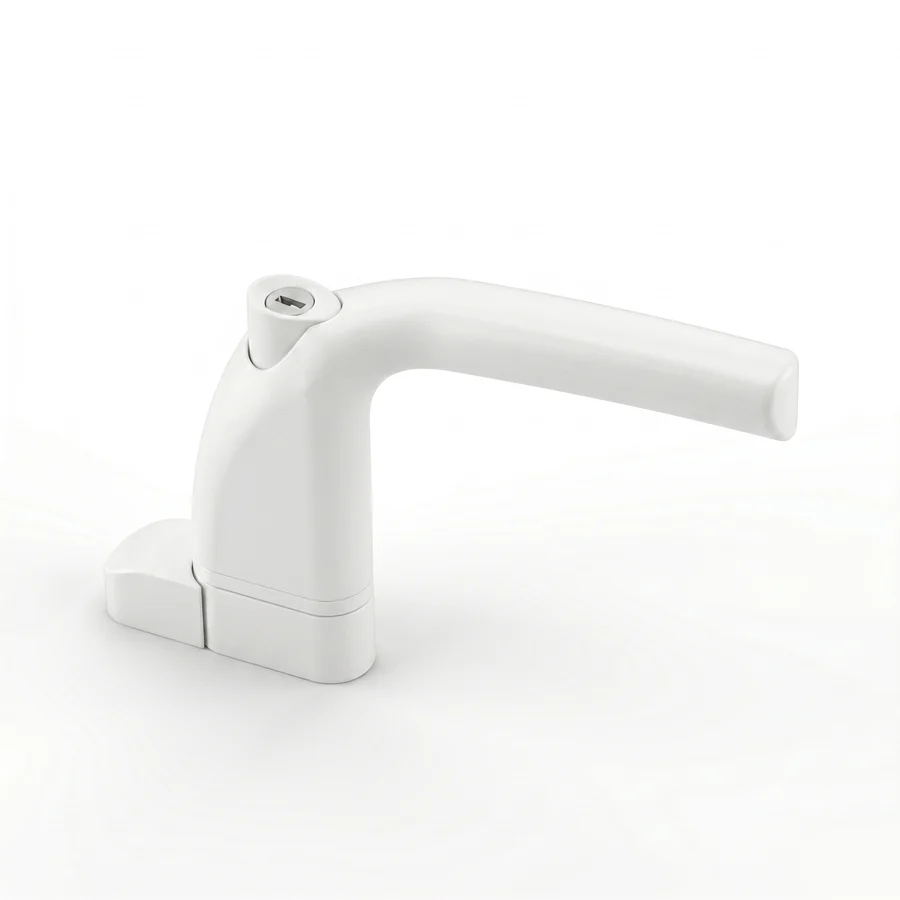
White handle finish
White
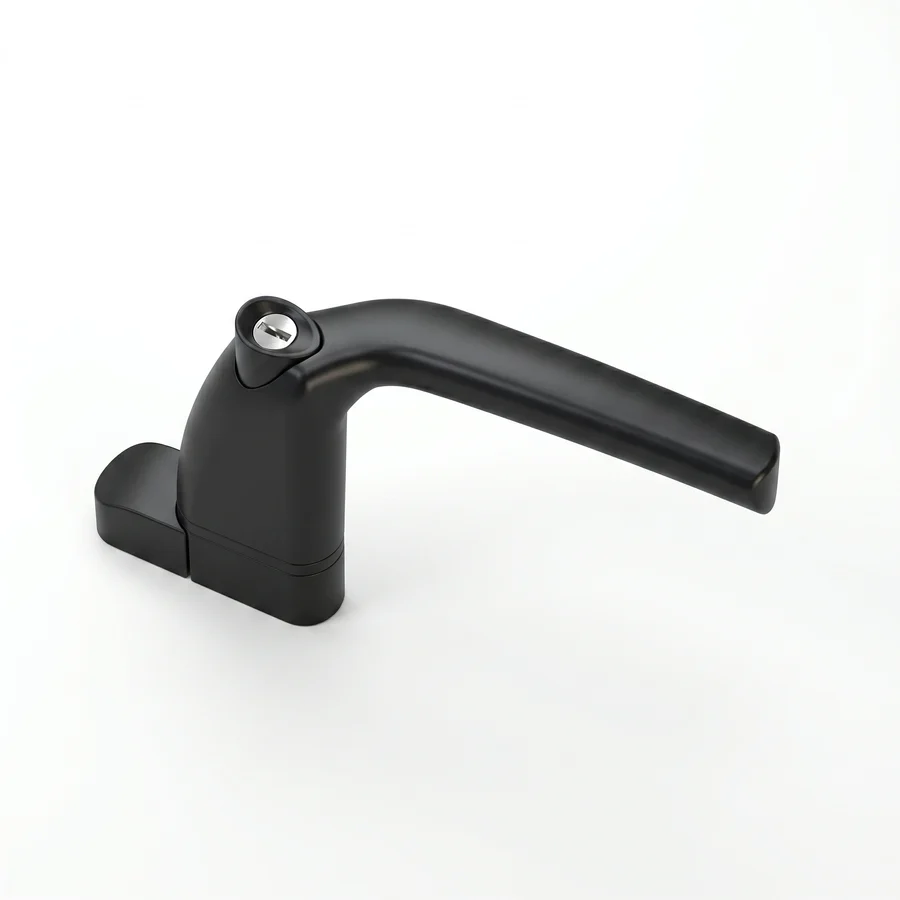
Black handle finish
Black
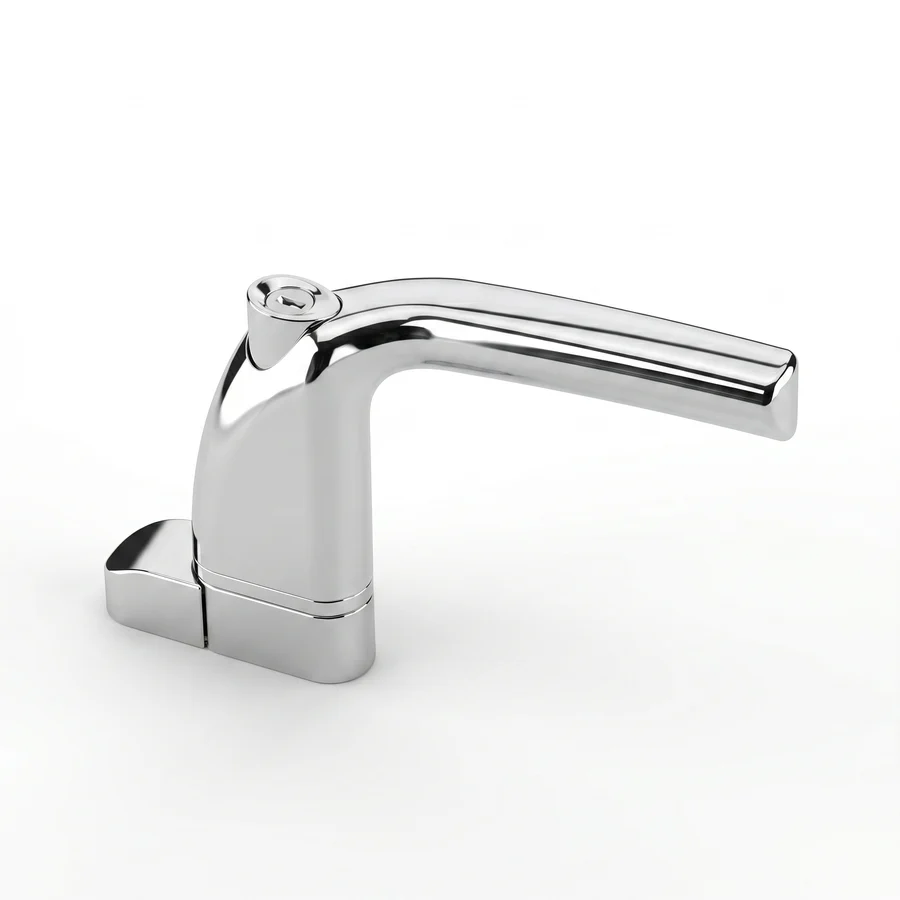
Chrome handle finish
Chrome
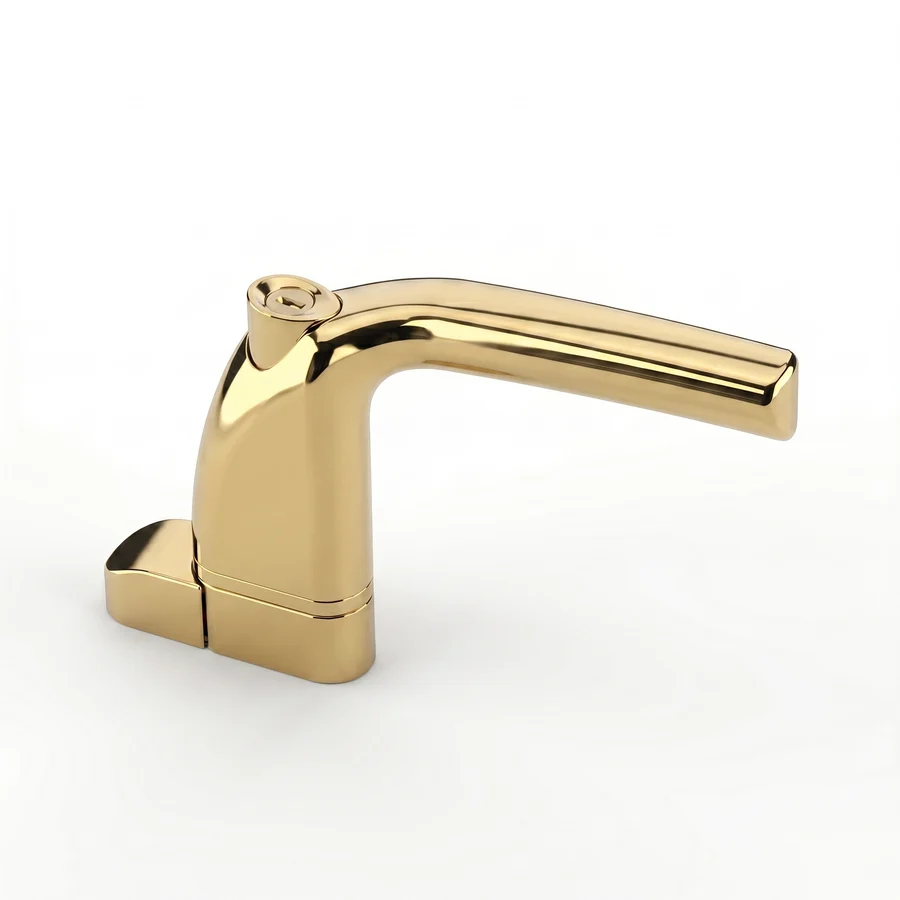
Gold handle finish
Gold
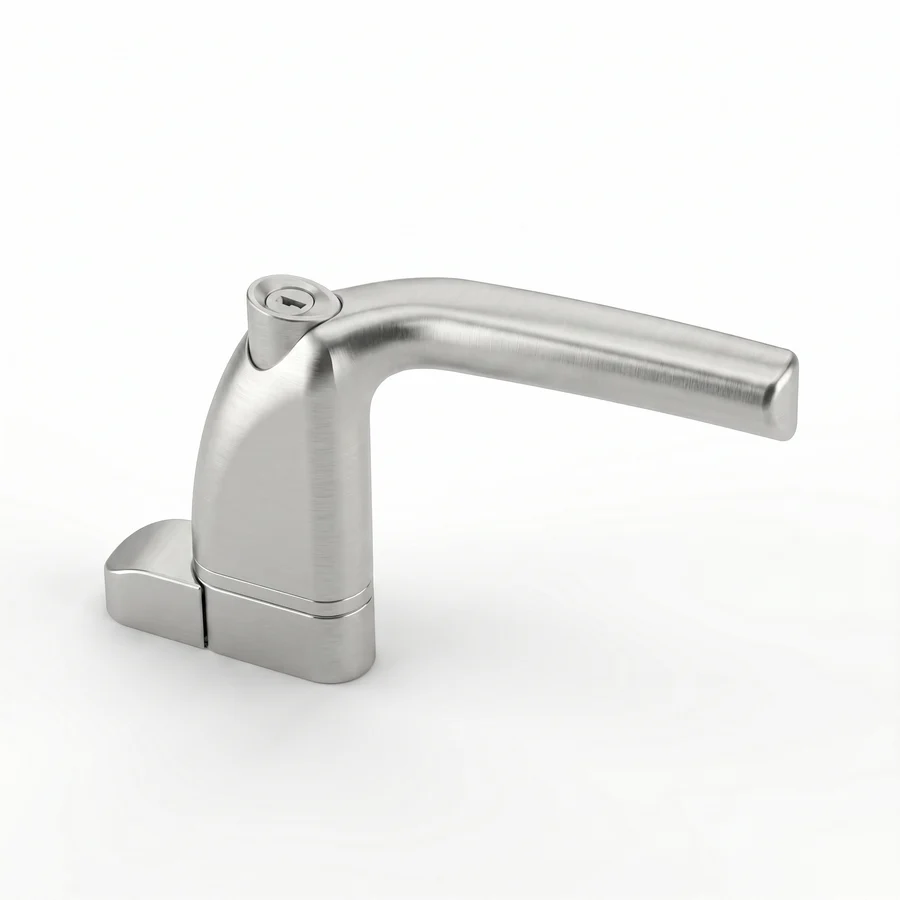
Silver handle finish
Silver

Made to measure. We confirm the colour, glazing, handle finish, and opening layout during your survey.

Configure Your French Casement

Open up the room, and the view

A French casement is the window version of a French door: two sashes that swing out from the centre with no fixed bar between them. That one difference decides how much light the room takes, how wide it opens, and how clear the view is. These are the choices we work through before a survey.

Made to measure

Two sashes, no bar, a clear view

A French casement opens both sashes outward from the centre, with no fixed bar dividing the glass. That single difference is what lets the room take more light, open wider, and frame an uninterrupted view of the garden or the street.

No central bar

No central bar

A standard casement keeps a fixed vertical bar down the middle of the opening. A French casement removes it: a flying mullion attached to the master sash swings away when both sashes open, leaving the glass and the opening completely clear.

  • Flying mullion swings clear with the sash
  • Uninterrupted glass, no dividing bar
  • The window version of a French door
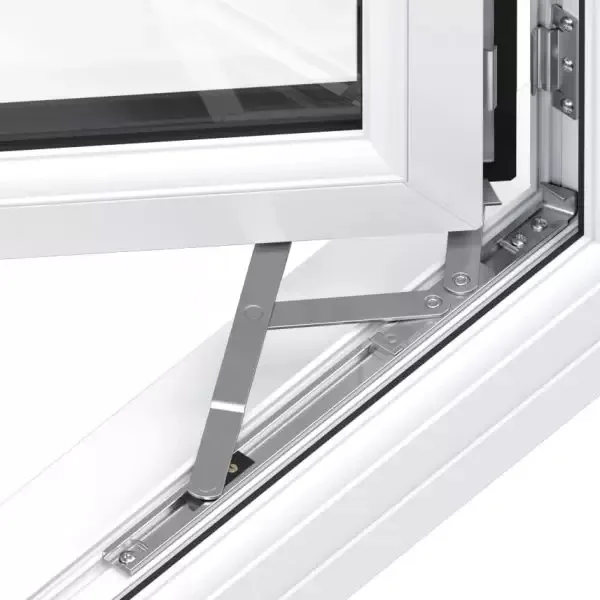
Full 90 degree opening

Full 90 degree opening

Both sashes swing a full 90 degrees, so the whole frame opens to the air rather than a single hinged light. It gives a noticeably greater feeling of space and a wide, clear opening onto a patio or garden.

  • Both sashes open a full 90 degrees
  • Wide, clear opening to the outside
  • A greater feeling of space in the room
More glass, more light

More glass, more light

With the central bar gone and both sashes glazed to the edge, more of the opening is glass. South-facing rooms gain the most, taking extra daylight and passive solar warmth through the larger uninterrupted pane.

  • Larger uninterrupted glass area
  • More daylight into the room
  • Extra passive solar gain on sunny elevations

Ventilation, easy cleaning, and a safe way out

Two independent sashes do more than open wide. They give you control over airflow, simple access to clean the outside glass, and, where it is needed, a window wide enough to climb out of.

Independent ventilation

Independent ventilation

Open one sash for background airflow or both for a through-draught on a warm day. Because each sash works on its own, you set the level of ventilation a room needs rather than being limited to a single opener.

  • Open one sash or both
  • Set airflow room by room
  • Trickle vents for Part F background ventilation
Easy-clean hinge

Easy-clean hinge

A smart easy-clean hinge lets each sash slide clear of the frame so you can reach the outer face of the glass from inside the room. It keeps upper-floor windows simple to clean and the uPVC low maintenance.

  • Reach the outer glass from inside
  • Ideal for upper floors and bays
  • Low-maintenance uPVC throughout
Fire-escape egress

Fire-escape egress

An optional egress hinge lets a sash swing wide enough to use as an emergency exit, which suits bedrooms and habitable rooms where the window is the means of escape. The wide centre opening makes a French casement well suited to narrow openings that still need a compliant way out.

  • Optional egress hinge for a compliant exit
  • Suited to narrow openings (Approved Document B)
  • Specified for bedrooms and habitable rooms

Opener choice, trickle vents (Building Regulations Part F), and any fire-escape egress are confirmed room by room at survey.

Secure, even with no central bar

The first question people ask about a centre-opening window is whether it locks as tightly as one with a fixed bar. It does. The security is built into the meeting stile, the frame, and the hinges as standard, not added as an upgrade.

Meeting-stile shootbolt

Meeting-stile shootbolt

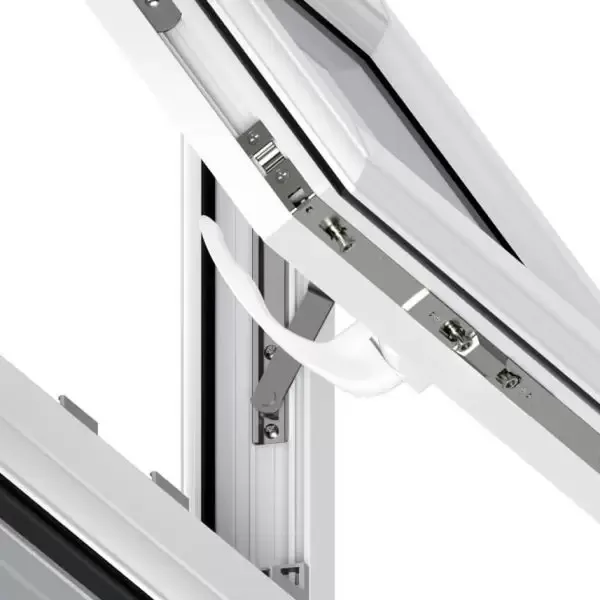
Where the two sashes meet, the meeting stile carries shootbolt locking that bolts top and bottom into the frame, holding the sashes together and stopping them being forced apart. It is Secured by Design accredited and backed by a 10-year mechanical guarantee.

  • Shootbolts top and bottom at the meeting stile
  • Secured by Design accredited
  • 10-year mechanical guarantee
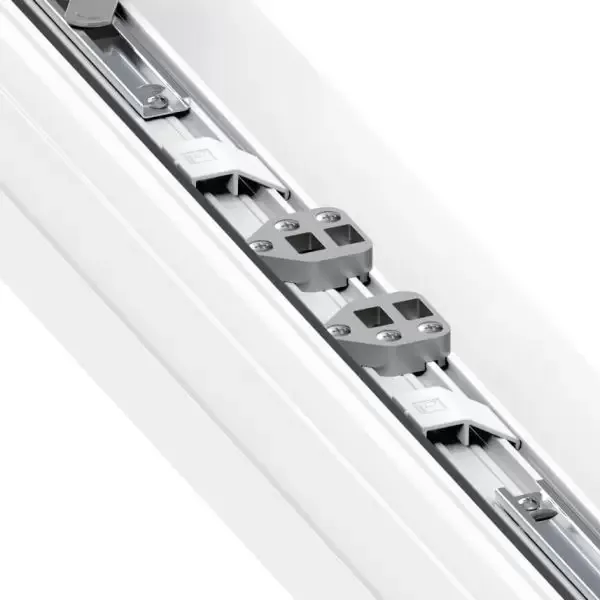
Independent sash locking

Independent sash locking

Each sash also locks to the frame on its own at multiple points along the espag track, so the master and slave sash are both secured independently. All glass is internally beaded so it cannot be removed from outside.

  • Master and slave sash lock independently
  • Multi-point locking along the frame
  • Internally beaded glass
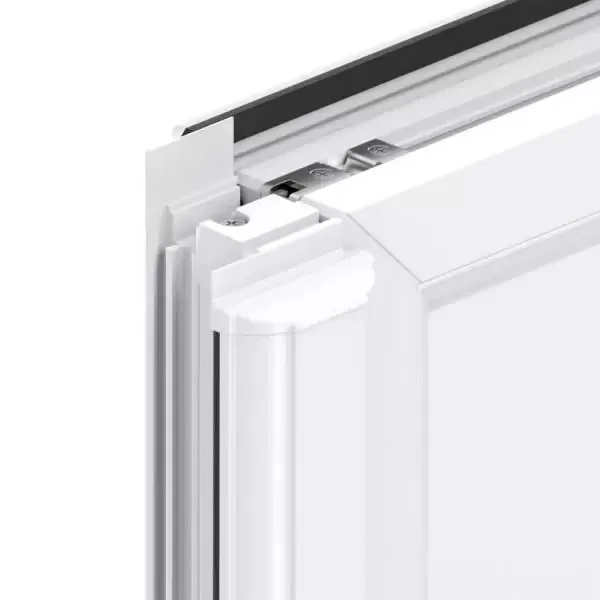
Multi-chambered frame

Multi-chambered frame

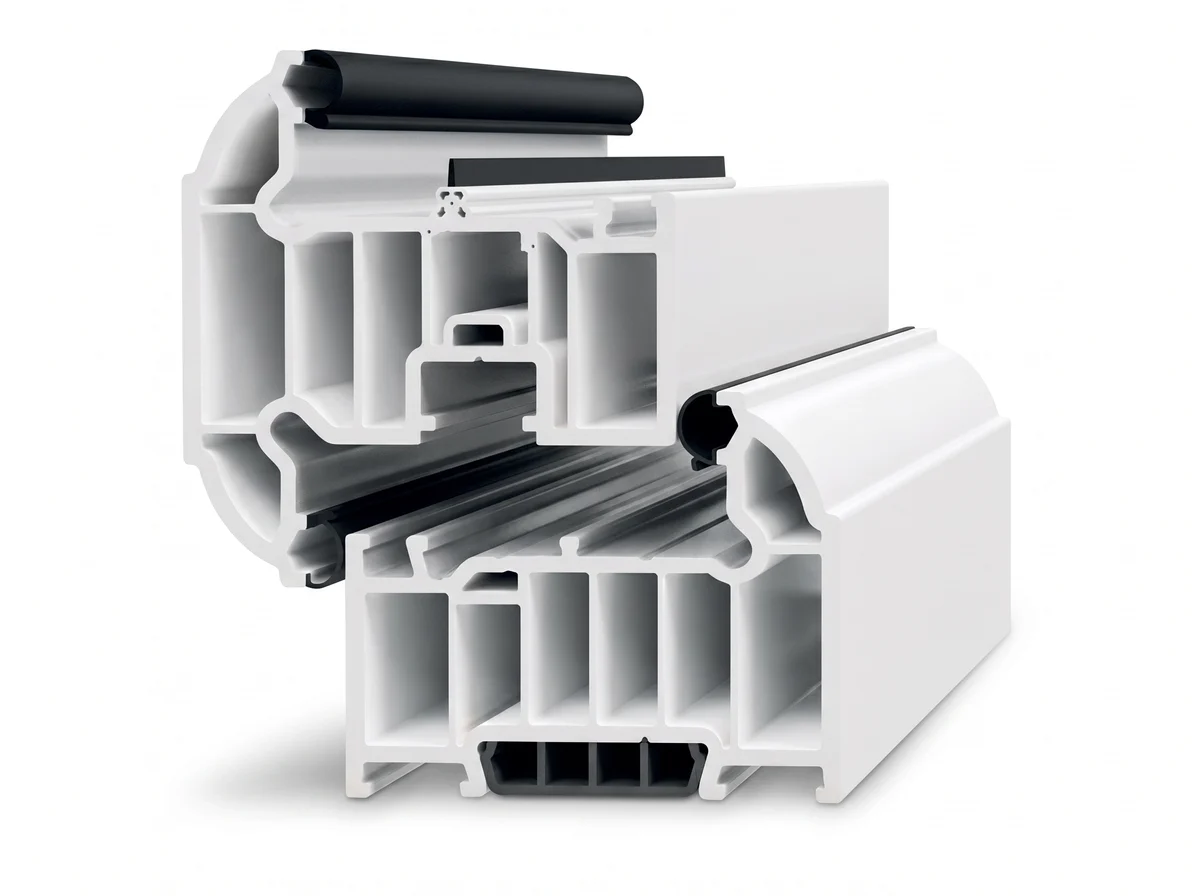
The cutaway shows the 70mm EnergyPlus profile with multiple thermal chambers and welded corners for rigidity. It carries Stay Guard Elite hinge protection rated to twice the Secured by Design force test, and reaches A+ ratings with U-values from 1.3 W/m2K.

  • 70mm welded EnergyPlus profile
  • Stay Guard hinges, twice the SBD force test
  • A+ rated, U-values from 1.3 W/m2K

Shootbolt locking, Stay Guard hinges, and the EnergyPlus frame are standard on every French casement, with a £7,500 break-in protection promise on qualifying installations.

Guide pricing

What affects the price of a French casement window

French casements are quoted from a survey rather than one fixed price, and they share the same basis as a standard casement: a typical front-of-house set of three main windows starts from £2,599. The two opening sashes and the flying mullion sit a little above a single-opener casement of the same size. These are the main things we price around.

From £2,599 front of house

Number of windows

The guide figure covers a typical front-of-house set of three main windows. A single window, or a full-house upgrade, changes the total.

Window size and bays

Larger openings, bay frames, and combination layouts use more material and labour than a standard single opening.

Opener layout

A French casement adds a second opening sash and the flying-mullion mechanism, so it sits a little above a single-opener casement of the same size.

Glass and ventilation

Double glazing is standard. Triple, acoustic, obscure, or solar-control glass, and any trickle vents for Part F, change the sealed-unit price.

Colour and finish

Smooth white is standard. Woodgrain foils, dual colour inside and out, and extended-lead colours add cost.

Bars and decorative glass

Astragal or Georgian bars, lead, and pattern glass for a period or traditional look are priced on top of a plain glazed frame.

Hardware upgrades

Handle finish, restrictors, and any egress or security hardware beyond the standard multi-point locking.

Removal and making good

Taking out the old frames and tidying the brick or plaster reveal where the opening needs it.

Because size, glass, colour, and the number of openings vary house to house, the final price is confirmed at a free survey with a fixed written quote. The guide figure is for a typical front-of-house set of three main windows and is subject to survey and specification.

Product fit

Best when the opening and view matter more than a centre bar

French casements are chosen when both sashes need to open away from the middle, leaving a clearer opening than a standard casement pair. They work well on garden-facing rooms, bedroom escape routes, and elevations where the central upright would otherwise interrupt the view.

Best fit for

  • Rooms where a wider clear opening is useful
  • Garden-facing windows where the view should feel less divided
  • Openings that need ventilation without changing to a different window style

Consider another option when

  • There is not enough outside clearance for both sashes to open comfortably
  • The house needs vertical sash proportions or stronger period detailing
  • A single opener, tilt-and-turn function, or simpler casement layout would be more practical

What we check on survey

  • We check whether the opening needs a fire-escape hinge or restrictor.
  • We confirm sash width so the pair opens cleanly without catching outside features.
  • We match bar layouts and sightlines to neighbouring windows where needed.

Compare window styles

Which window style is right for the opening?

A French casement earns its place where a wide, clear opening and an uninterrupted view matter most. Here is how it compares with the other styles we supply, so you can see where each one fits.

Casement
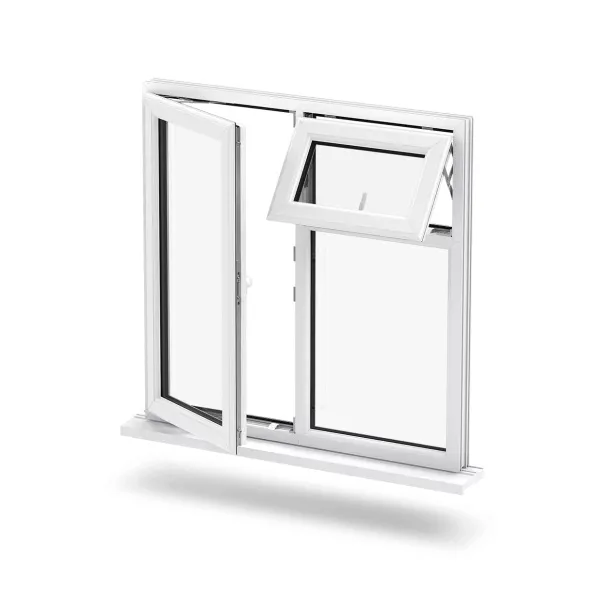
Most replacements and full-house upgrades. The practical default: secure, cost-effective, and available in every colour, glazing, and bar option.
French casementYou are here
Wide clear openings and uninterrupted views. Two sashes open from the centre with no central bar, for the widest clear opening and the most light.
Flush sash
Period homes and visible elevations. The sash sits flush with the frame for a flatter, timber-look finish that suits conservation areas.
Sliding sash
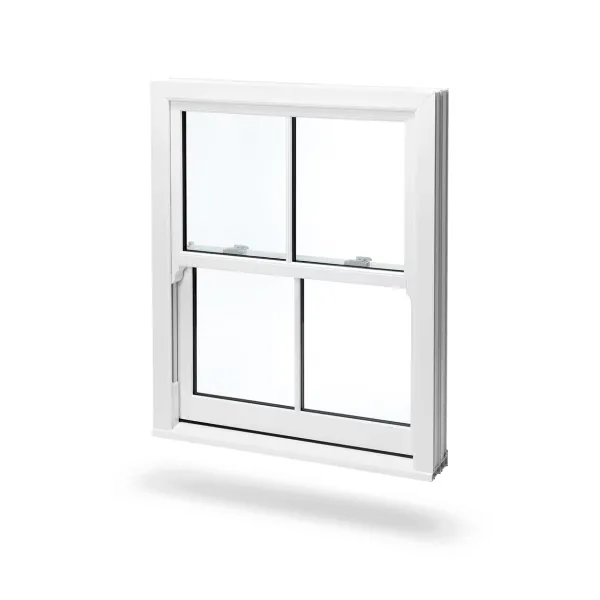
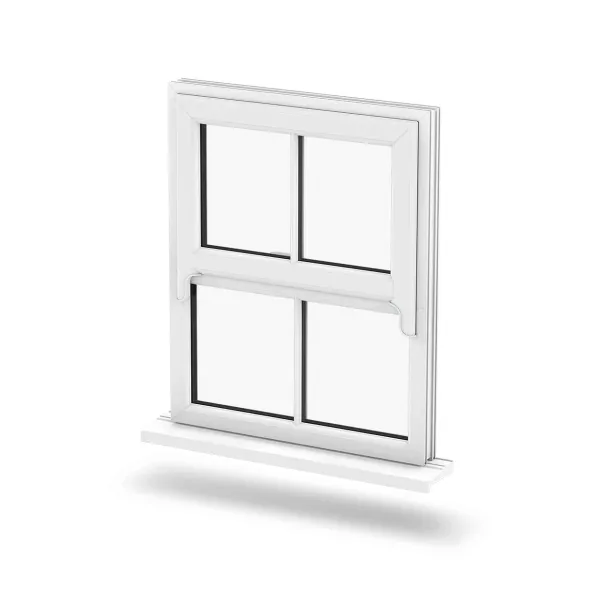
Victorian, Edwardian, and bay-fronted homes. Vertical sliding sashes that keep the authentic look of an original period frontage.
Sash horn
Period character without a full sliding sash. Casement convenience with traditional run-through horn detailing for character streets.
Tilt and turn
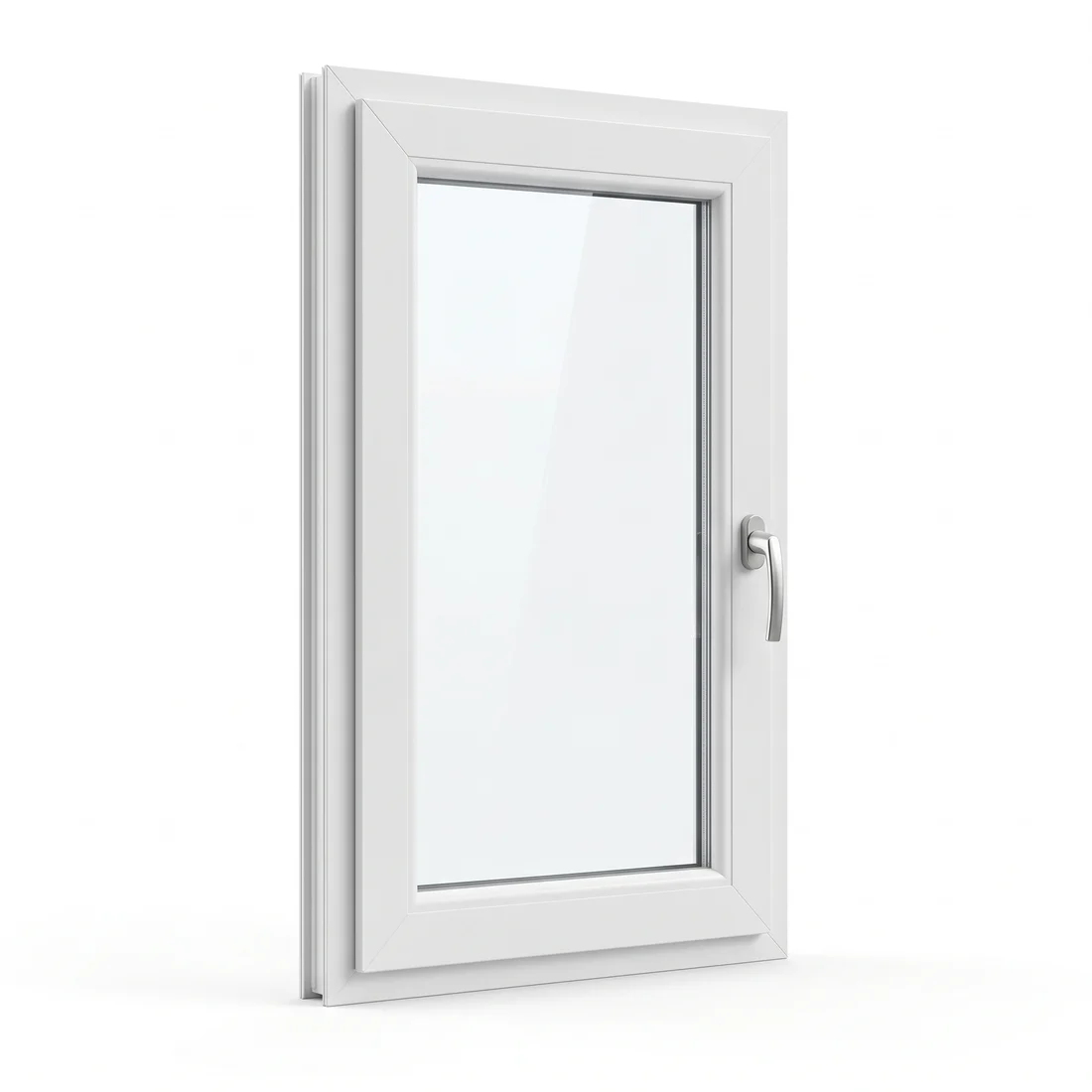
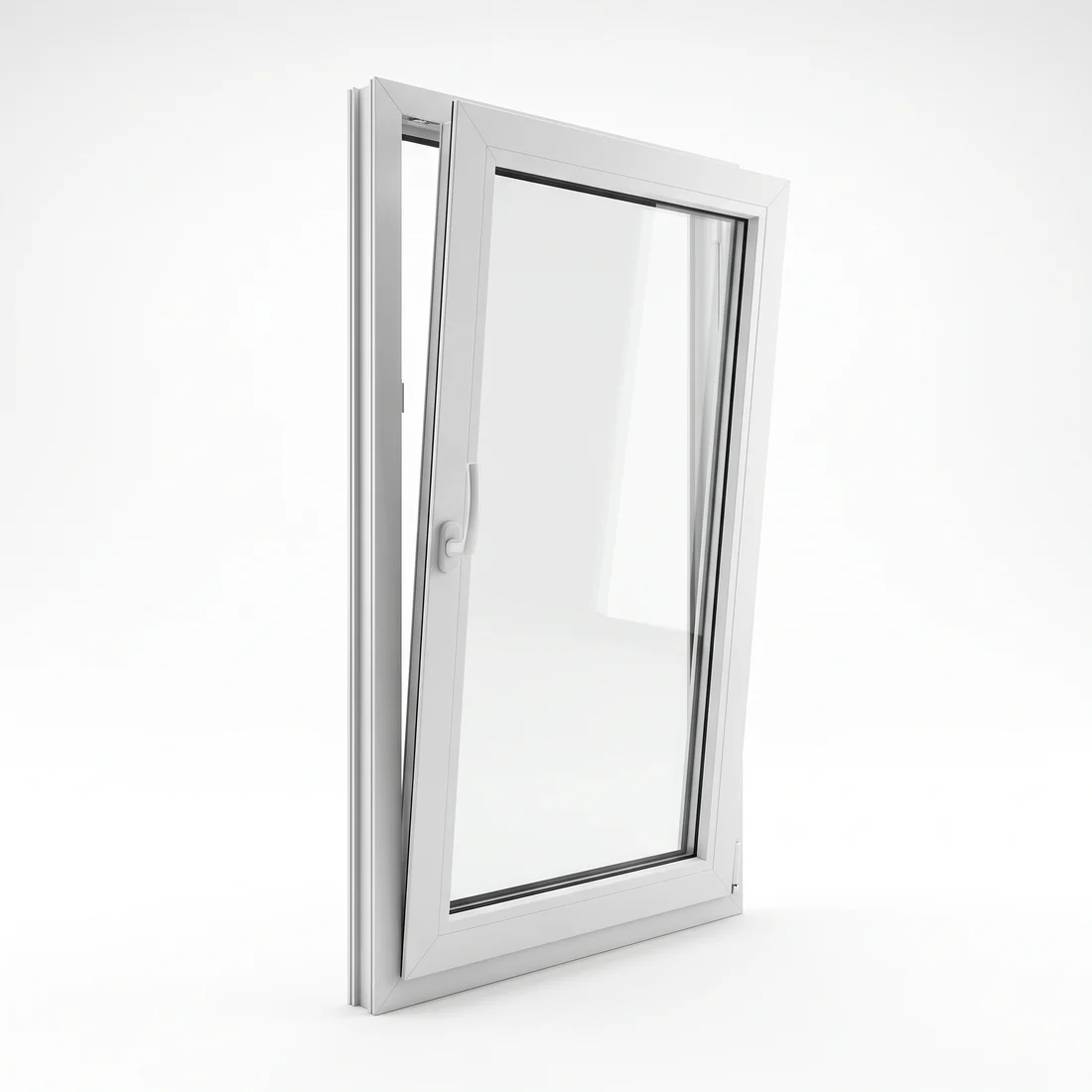
Cleaning access and secure ventilation. Tilts inward for airflow and turns fully inward for easy cleaning, ideal for upper floors and flats.
Aluminium casement
Slim sightlines and modern elevations. Slimmer powder-coated frames for larger openings and contemporary or dark-framed looks.

Optional Upgrade

Cleaner shading for wider-opening casements

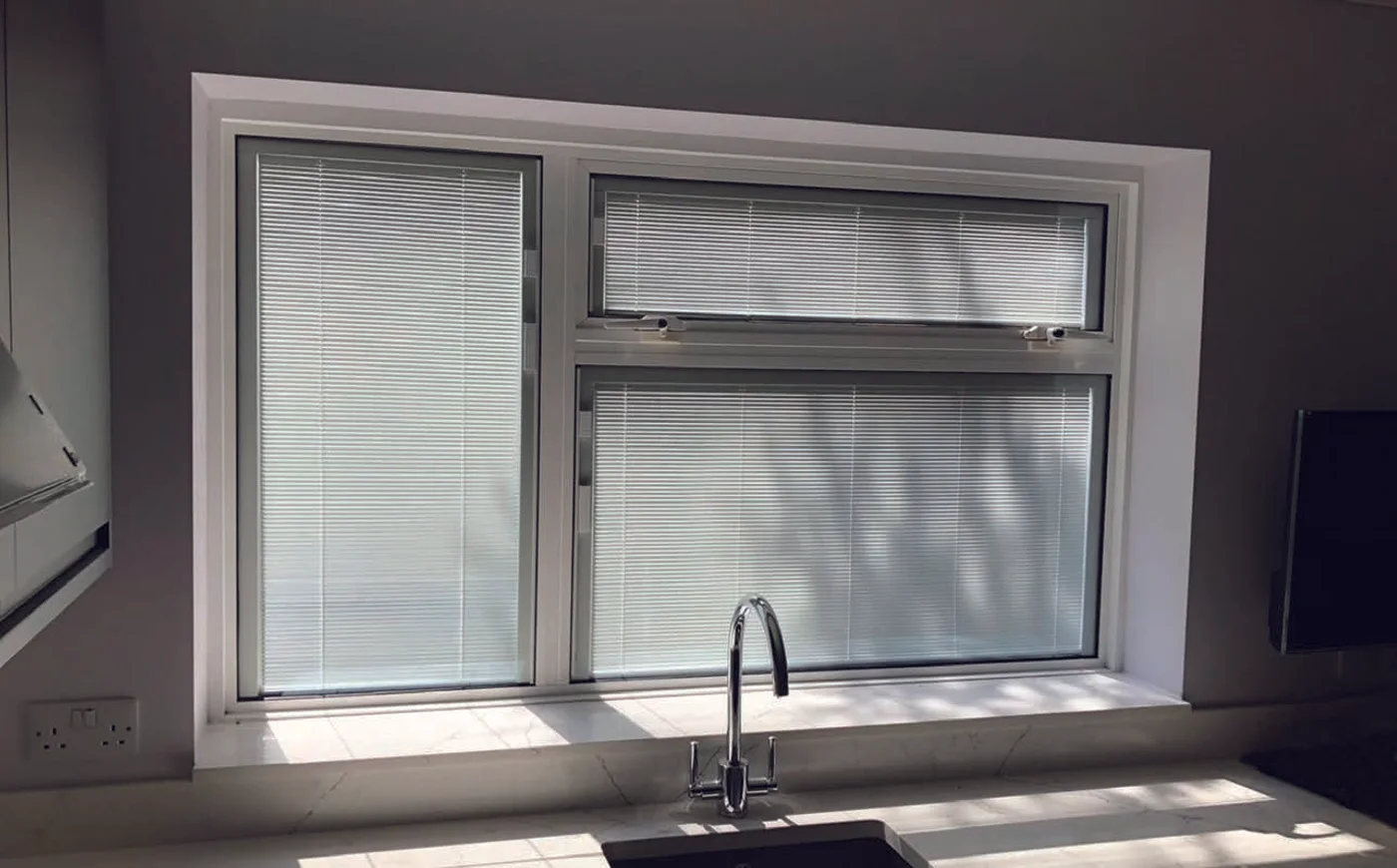
French casement windows are often chosen because the opening and view matter. Integral blinds can keep that view controlled without adding loose blinds across the centre opening, especially on garden-facing bedrooms, kitchens, and overlooked rooms.

Kitchen window with integral blinds sealed inside the glazed units

Clear opening, discreet shading

A between-glass blind option for rooms where the open view and privacy both matter.

Useful on French casements when

  • The wider opening faces a neighbour, garden boundary, or street
  • You want privacy without covering the centre-opening frame detail
  • Curtains would restrict how the paired sashes open day to day

Blind types we can discuss

Magnetic integral blinds

A slim magnetic slider raises, lowers, and tilts the blind inside the sealed glass unit.

Electric integral blinds

Remote operation suits larger panes, harder-to-reach glass, and cleaner contemporary rooms.

What we check

  • Glass unit size and cavity depth
  • Handle position, reveal depth, and room layout
  • Whether magnetic or electric operation is worth pricing

We check sash size, handle position, hinge clearance, and whether the blind route suits the way both sashes open.

Ask about French casement blind upgrades

How It Works

From Survey to Sign-off

Step 1

Survey & opening check

We measure every opening and check the lintel, sill, and reveal, then plan the pair: which sash is the master that carries the flying mullion, whether the room needs a fire-escape egress hinge, where trickle vents are required for ventilation, and whether the clear centre opening has to suit a narrower aperture.

Step 2

Made to measure

Each French casement is built to the measured size on the 70mm EnergyPlus profile, with the twin-sash layout, A+ double or triple glazing, any Georgian or astragal bars, the colour foil inside and out, and the meeting-stile shootbolt locking all locked together before manufacture.

Step 3

Install & sign-off

Our Cii team fits and seals the frame, then adjusts both sashes so the master and slave meet square at the centre and the shootbolt locking closes cleanly with no central bar between them. We fit trickle vents where Building Regulations require them and hand over with the Cii 10-year guarantee and Assure certification.

After installation

Looking after your French casement windows

uPVC French casements are low maintenance by design. A little routine care keeps both sashes opening cleanly and meeting square for years.

  • Both sashes are adjusted at handover so they open, close, and meet square
  • An occasional wipe of the seals and a drop of oil on the hinges keeps the action smooth
  • Frames need no painting or sealing, just a wipe down with warm soapy water
  • The drainage slots along the bottom of the frame stay clear with the same routine clean
  • Backed by the Cii 10-year guarantee with Assure certification where applicable
uPVC French casement window with hardware detail by Cii Double Glazing

Free Survey

Ready to price up your french casement windows?

Tell us the opening and the finish you want, and we will survey it, confirm the french casement windows specification, and give you a fixed written quote with no obligation rather than a generic estimate.

Free surveyFixed quoteDirect Cii installation team
Google
Outstanding from start to finish. The casement windows are a perfect fit and the energy difference is already noticeable. The lads were tidy, efficient, and clearly knew their trade.
Paul D., Upminster
Google
Replaced all 12 windows across our Victorian terrace. Every window fits perfectly, the sightlines are great, and the house is noticeably warmer. Superb job.
Steve W., Harold Wood
Checkatrade
Fantastic experience from initial survey to completion. The team were professional, tidy, and the attention to detail on the finish was fantastic. Couldn't be happier with our new windows.
Sarah M., Brentwood

Questions Answered

Common Questions

Where We Work

Essex, Hertfordshire & London

Based in Romford, we regularly work across Essex, North and East London, and into Hertfordshire. If you are not sure whether we cover your area, just give us a call.

Find Us

Our Workshop

Free home surveys available across our coverage area.

Areas We Cover

We Come to You

BarkingsideBarnetBasildonBillericayBishop's StortfordBrentwoodBuckhurst HillChadwell HeathChelmsfordCheshuntChigwellChingfordCollier RowDagenhamEnfieldEppingHarlowHoddesdonHornchurchIlfordIngatestoneLeigh-on-SeaLeytonstoneLoughtonOngarPotters BarRomfordShenfieldSouth WoodfordSt AlbansStratfordUpminsterWalthamstowWansteadWhitechapelWoodford Green

Not seeing your area? Get in touch and we will let you know if we travel to you.

Wide white French casement window installation in Romford

Get Started Today

Ready to Transform Your Home?

Get a free, no-obligation quote from our team. We survey, advise, and install with a clear plan from first visit to final handover.

Mon to Thu, 8am to 4pm · Fri, 8am to 3pm · No call centres

Happy with our work? Leave us a Google review

We use cookies to understand how you use our site and improve your experience. Analytics cookies are off by default. Privacy Policy