Start with the frame. If it is sound and the only fault is mist trapped between the panes, you may only need a new sealed unit. If the frame is warped, the opening is draughty, the hardware is failing or you want a different style, have the whole window surveyed. Then ask for uPVC and aluminium quotes with the same dimensions, opening layout and performance specification. Without that, a lower price may simply mean less work or different glass.
New glass or a complete window?
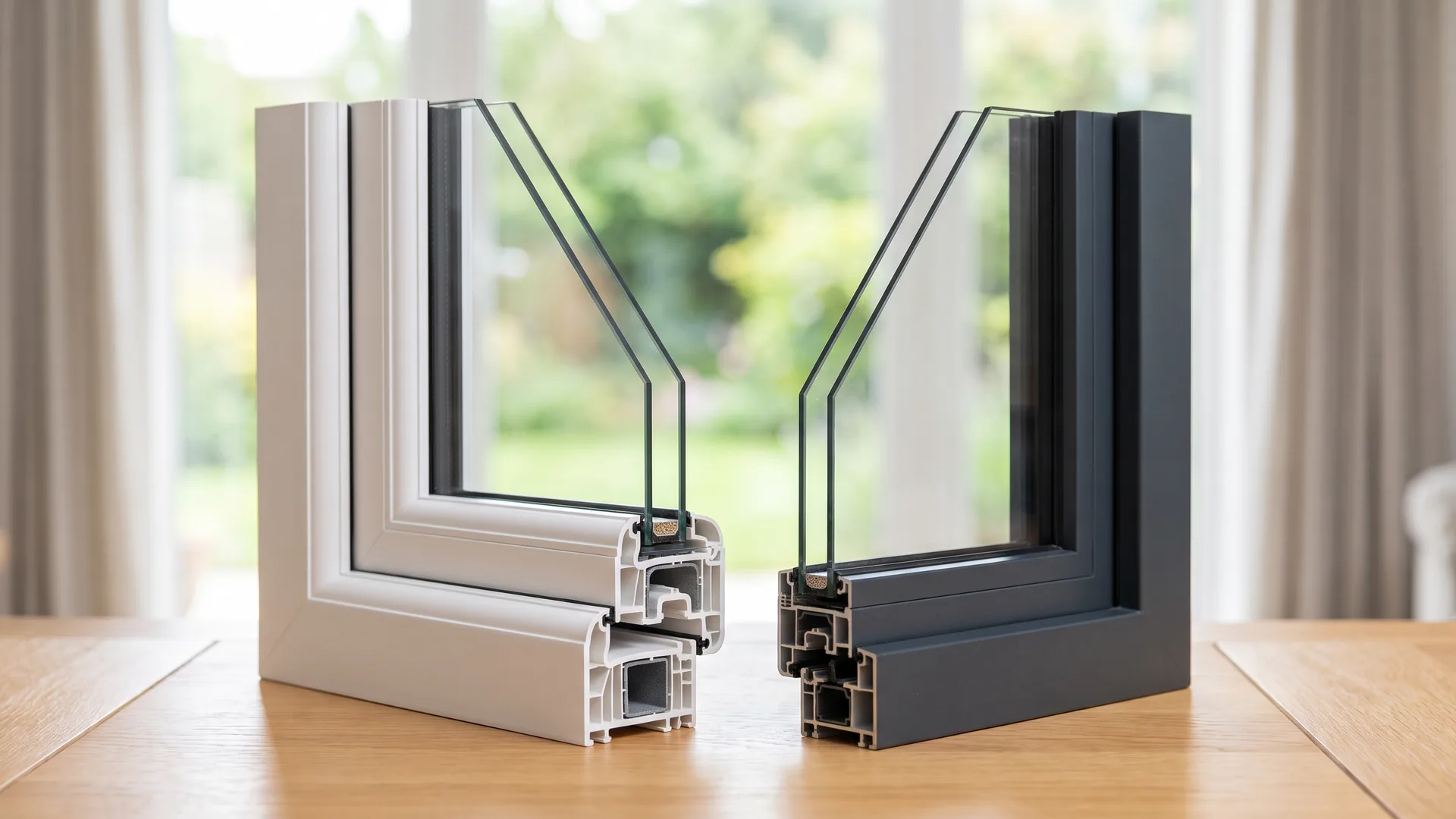
A double glazed sealed unit is two panes held apart by a spacer around a sealed cavity. You can replace the unit while keeping the frame and most of the hardware. A complete window includes the frame, sash, glass and installation. A replacement unit for an existing frame must match its dimensions and glazing thickness and meet the safety requirements for that opening.
| What you see | Sensible starting point | What the survey should establish |
|---|---|---|
| Moisture trapped between the panes | Replacement sealed unit | Whether the frame and glazing beads can take a new unit |
| A cracked pane | Glass unit replacement | The safety glass required and the correct unit specification |
| Draught at the opening sash, stiff lock or dropped hinge | Hardware or adjustment check | Whether a repair will give a secure, properly closing window |
| Damaged or distorted frame, leaks at the frame or a change of design | Complete window assessment | Frame condition, opening size, ventilation and finishing work |
Condensation on the room-facing surface alone does not mean the seal has failed. Misting inside the sealed cavity is the sign to look for. If the frame is sound but a handle has broken, a repair may be enough. Cii repairs windows and doors of all brands, including ones we did not fit. Every repair starts with a survey to diagnose the fault, then we order any parts needed and book the repair visit. We do not offer same-day or emergency repairs.
What a glass-only quote should list
A sealed-unit price may cover made-to-measure glass with no fitting. Measuring, removal, disposal and any frame work can be extra. Look for the unit dimensions and overall thickness, glass type, coating, spacer, any gas fill such as argon, any obscure or decorative finish, and whether fitting is included. An installed price for a complete window covers a different job, so do not compare the two directly.
uPVC vs aluminium: compare the whole window
Either material can work well. What matters is the specific uPVC window or aluminium window proposed for your opening.
| Decision point | uPVC quote | Aluminium quote |
|---|---|---|
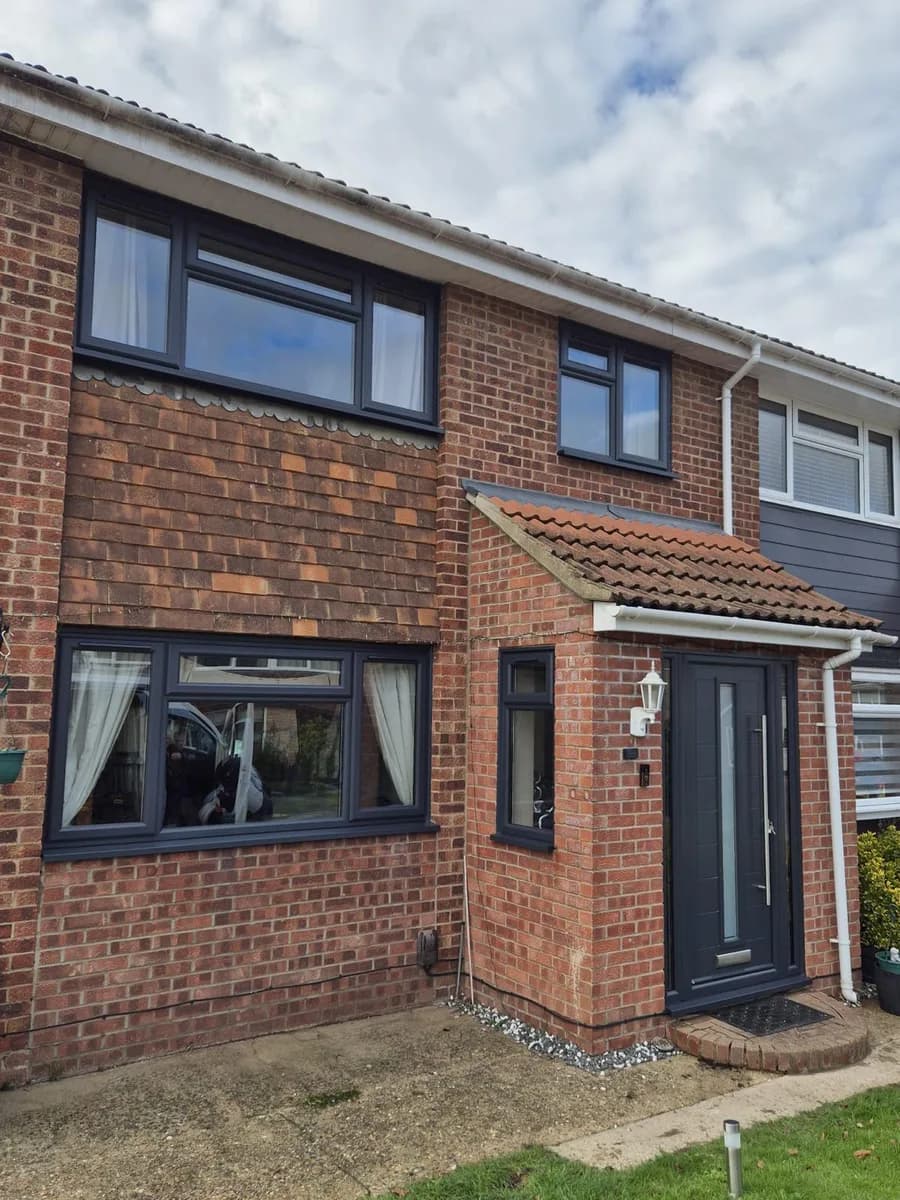
| Appearance | Check profile width, joint detail, colour and whether a flush or sash-style design is offered | Check visible frame width, sightlines, corner details and the powder-coated finish |
| Thermal performance | Ask for the whole-window U-value or Window Energy Rating for the quoted layout | Ask for the same measure and the thermally broken frame system used |
| Opening and size | Compare exact sash divisions, opening direction and handle positions | Compare the same layout. A slimmer visible frame may suit wide glazed areas |
| Upkeep | Clean frames, drainage routes and seals, and maintain moving hardware | Clean the coating, drainage routes and seals, and maintain moving hardware |
| Quote total | The installed total for the specified layout and finish | The installed total for the same layout and finish |
A whole-window U-value covers the frame and glass together. A centre-pane figure covers only the glass. A lower U-value means less heat passes through. A Window Energy Rating also takes in other factors, including solar gain. Compare quotes on the same measure, because the frame system, thermal break, glass and installation all affect the result.
For replacement windows in existing homes in England, Table 4.2 of Approved Document L, Volume 1 sets a maximum whole-window U-value of 1.4 W/(m²·K) or a minimum Window Energy Rating of Band B. The requirement applies to the complete window, not the centre of the glass.
A sample or drawing makes sightlines easier to judge. Compare the visible frame and mullion widths for the same opening: one fixed pane beside a wide opening sash looks different from two opening sashes. Settle inside and outside colours, handle finish, cills and trims before you compare totals.
Match the design to the room and the house
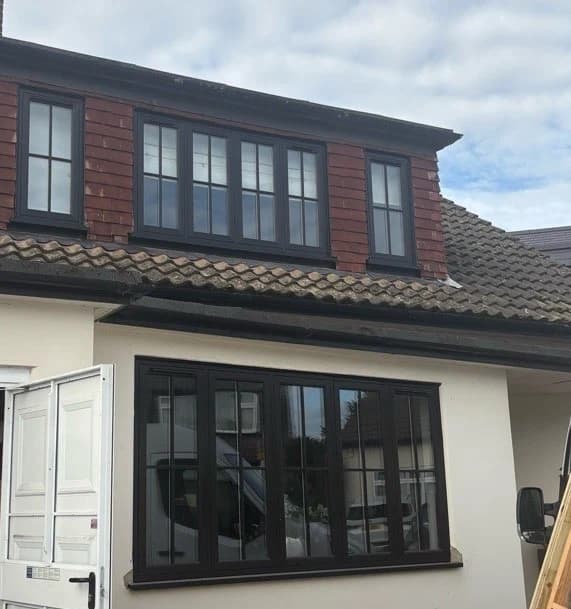
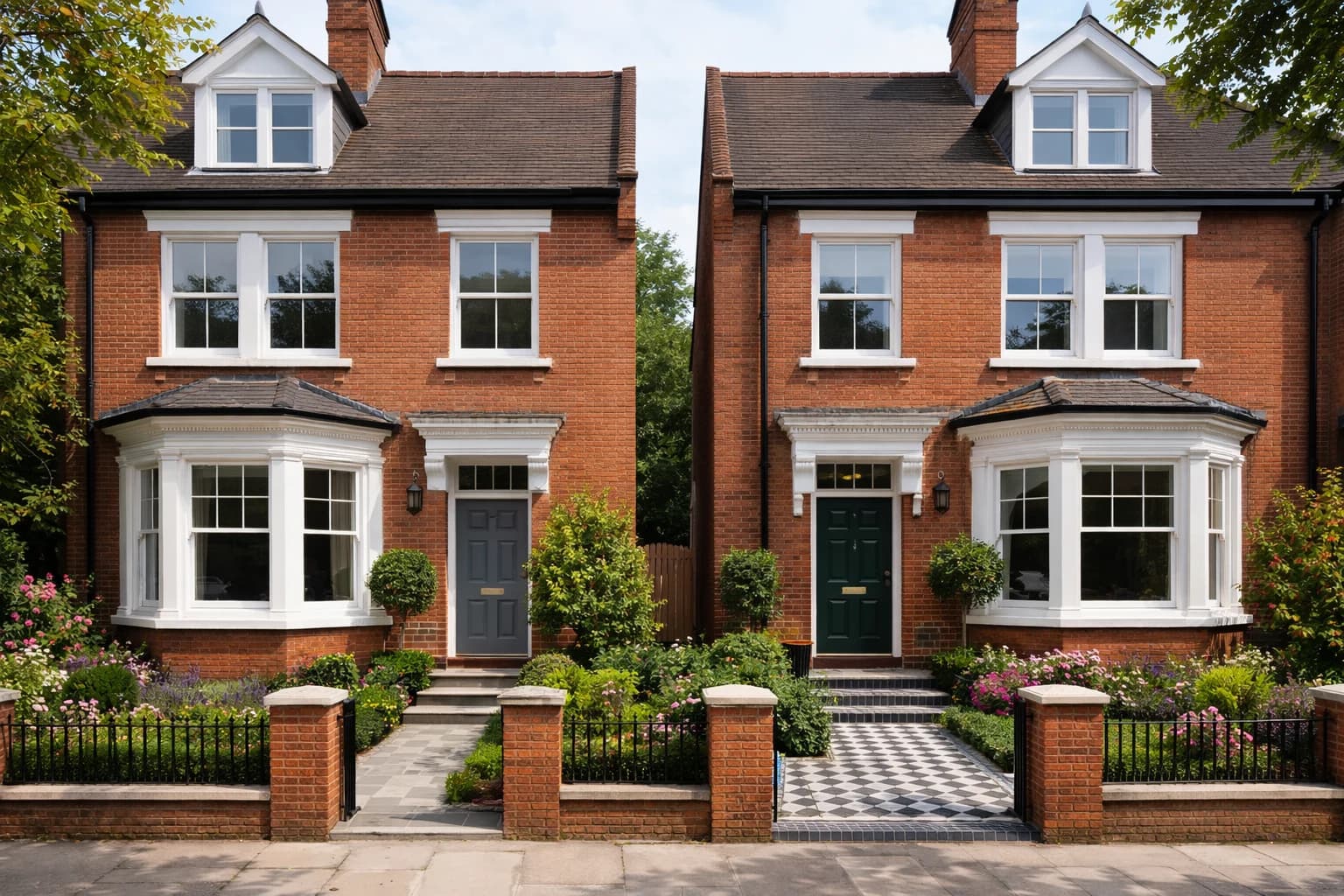
Casement windows suit most openings. Tilt and turn windows give another way to ventilate and reach the outside of the glass. For a period frontage, sliding sash windows keep different proportions from a standard casement. Flush sash windows give a neater face where that detail suits the property. In a bay or full-height opening, settle the divisions and opening method before comparing frame materials.
The glass specification can change the quote even when two frames look alike. Specify obscure glass where you need privacy, and have the survey identify positions that need safety glazing. For traffic noise, ask what acoustic glass the installer proposes, as an extra pane alone may not solve the problem. Compare double and triple glazing on whole-window performance, sightlines and weight for your opening.
Agree which sashes open, which way they open, whether background ventilation is included and how you will clean the window. A bedroom window and an upstairs sash may need different arrangements.
Side-by-side window quote checklist
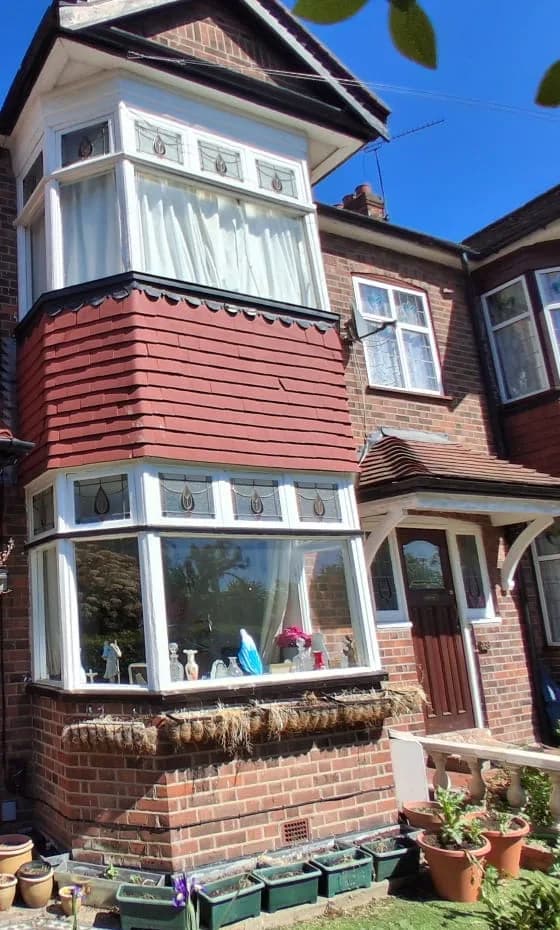
Give each installer the same room-by-room brief. At the survey, point out awkward access, bay construction, unusual reveals and period details. These all affect what an installer has to quote for.
| Put on both quotes | uPVC proposal | Aluminium proposal |
|---|---|---|
| Room, opening count and measured sizes | Record sizes and units | Match sizes and units |
| Frame system and layout | Profile, fixed and opening sections, hinge side | System, thermal break, fixed and opening sections, hinge side |
| Whole-window performance | U-value or energy rating, with the glazing stated | Same measure, with the glazing stated |
| Glass make-up | Double or triple, coating, gas, spacer, plus any safety, privacy or acoustic needs | Match each glass requirement |
| Visible design | Frame and mullion sightlines, bars, cills, handles, inside and outside colour | Same divisions and specified finish |
| Site works | Removal, disposal, making good, trims, sealant and access | Same scope and exclusions |
| Ventilation, security and paperwork | Opening layout, hardware, vents, compliance route, guarantee | Same points in writing |
| Total | Itemised installed total, VAT and any optional extras | Itemised installed total, VAT and any optional extras |
If one quote specifies different glass or leaves out making good, ask for a revised quote that includes the same work. On a whole-house job, a window-by-window schedule makes later changes easier to trace. The same like-for-like approach applies to garden doors, which our guide to bi-fold vs sliding doors for an extension covers in detail.
What changes the quote?
Unit size and glass specification drive the cost of the glass. The installed total also covers the frame design, opening sashes, survey, removal, fitting and finishing. Sash detailing, unusual shapes, larger glazed areas and difficult access can all add work. Ask for an itemised written quote after survey, with options listed separately. A generic per-window figure cannot account for your house.
Choosing the installer, not just the frame
When you compare double glazing companies, find out who will survey your home, who will fit the windows and who will come back if something needs attention. The written quote should name the frame system, glass, installation work, guarantee and compliance paperwork. It should also say whether repairs to surrounding walls or internal decoration are excluded.
The right next step
For a sound frame with a failed sealed unit, start with a repair survey. If the frame or layout needs changing, use the same survey notes to get complete uPVC and aluminium proposals, then choose the window that suits your performance needs and preferred design.
Cii Double Glazing is a family-run business, established in 2009, that surveys, supplies and installs uPVC and aluminium windows across Essex, Hertfordshire and East London. Our own team carries out the survey and the fitting, and every installation comes with a 10-year installation guarantee and Assure certification where applicable. Book a free home survey and written quote to find out which route fits your windows.
FAQ
How much does it cost to replace just the glass in a double glazed window?
There is no useful fixed figure without the unit size, glass specification and fitting scope. A supply-only price leaves out the labour and site work included in an installed quote. Ask for an itemised written quote after survey and compare totals for the same unit and service.
Can you just replace the glass in double glazed windows?
Yes, a failed sealed unit can often be replaced while the existing frame stays in place, provided the frame is sound and can take a correctly specified unit. The survey establishes the size, thickness and glass type required.
Is it cheaper to replace the glass or the whole window?
Replacing only the glass involves less work when the existing frame is sound, but the difference depends on the unit, the fitting and any repairs needed. If the frame is damaged or you want a new design, compare installed whole-window quotes instead.
Is aluminium or uPVC better for double glazed windows?
Neither is better for every house. Aluminium usually gives a slimmer visible frame, which can suit wide glazed areas and modern elevations. uPVC offers a wide range of styles, including flush and sash designs. Compare the whole-window performance, sightlines and installed total for the same layout before deciding.