Replacement windows in England must meet building regulations even when planning permission is not needed. Before ordering, find out whether you need planning permission or listed building consent. Then settle the heat loss, ventilation, safety glazing and escape details for each window, and agree who will certify the work. Keep the certificate with your specification, invoice and guarantee.
This checklist covers replacement windows in existing homes in England, including Essex, East London and Hertfordshire. It is not a specification for a new-build home or an extension. It reflects the position as at October 2026.
Replacement window approvals: a homeowner's checklist
| Stage | Question to settle | What to record |
|---|---|---|
| Before the survey | Is the home listed, in a conservation area or covered by a planning restriction? | Any planning decision, listed building consent or written advice from the local planning authority |
| At the survey | Which openings are needed for escape, where is safety glass needed and how is each room ventilated? | A room-by-room window schedule showing opening type, glazing and ventilation |
| Before ordering | How will the whole window meet the thermal performance requirement? | The proposed window specification and an itemised written quote |
| Before fitting | Is the installer registered for replacement windows with a competent person scheme, or will building control approve the work? | The scheme named on the quote, or the building control application |
| After fitting | Have you received evidence that the work was certified? | The scheme certificate or the building control completion certificate |
Keep the product specification and the certificate together. The first shows what was fitted, the second shows the installation was signed off.
Planning permission and building regulations are different
Planning controls how a property looks. Building regulations set standards for the work itself. Replacing windows with ones of a similar appearance does not usually need planning permission, but the new windows still need to meet the building regulations for doors and windows. The Planning Portal puts it plainly:
"Since 1 April 2002 building regulations have applied to all replacement glazing." Planning Portal: Doors and windows, building regulations
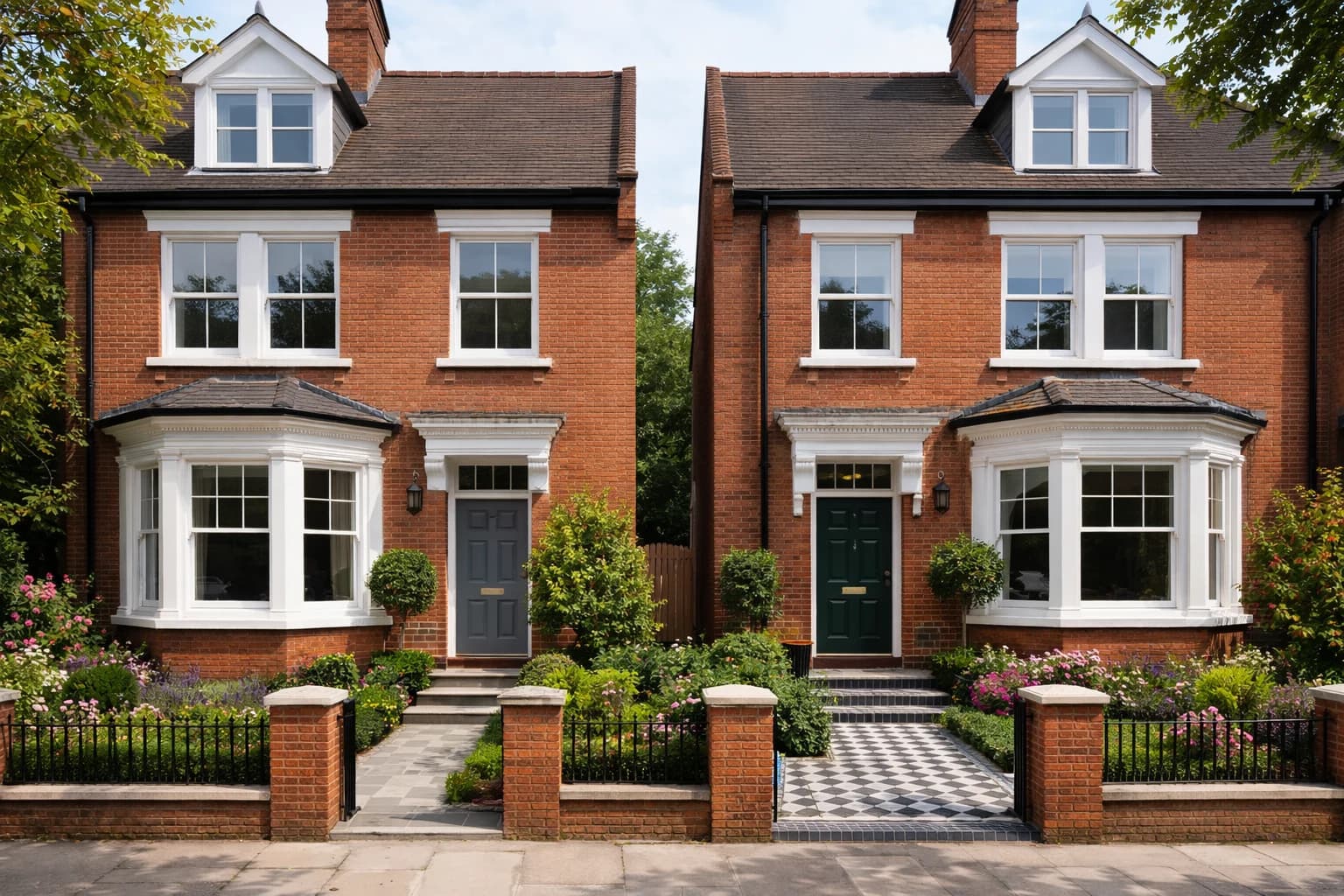
Listed buildings, conservation areas, Article 4 directions and changes to the window design need closer attention. A conservation area on its own does not mean every replacement needs planning permission, but an Article 4 direction can remove permitted development rights. Listed building consent is a separate permission again. If any of these apply, speak to your local planning authority before choosing a style or material. You may need both a planning approval and a building regulations certificate, because they do different jobs. Our guide to sash window installation covers the details to agree when a period look matters.
What the replacement window specification must cover
Double glazing on its own does not make a window compliant. The survey has to look at the room as well as the window.
Heat loss: Part L
Part L covers energy efficiency. The frame and glass together set the window's thermal performance, so have the whole-window performance written into the specification. Replacement windows in an existing home do not always follow the same standards as windows in a new build. The government lists the current editions on its Approved Document L page.
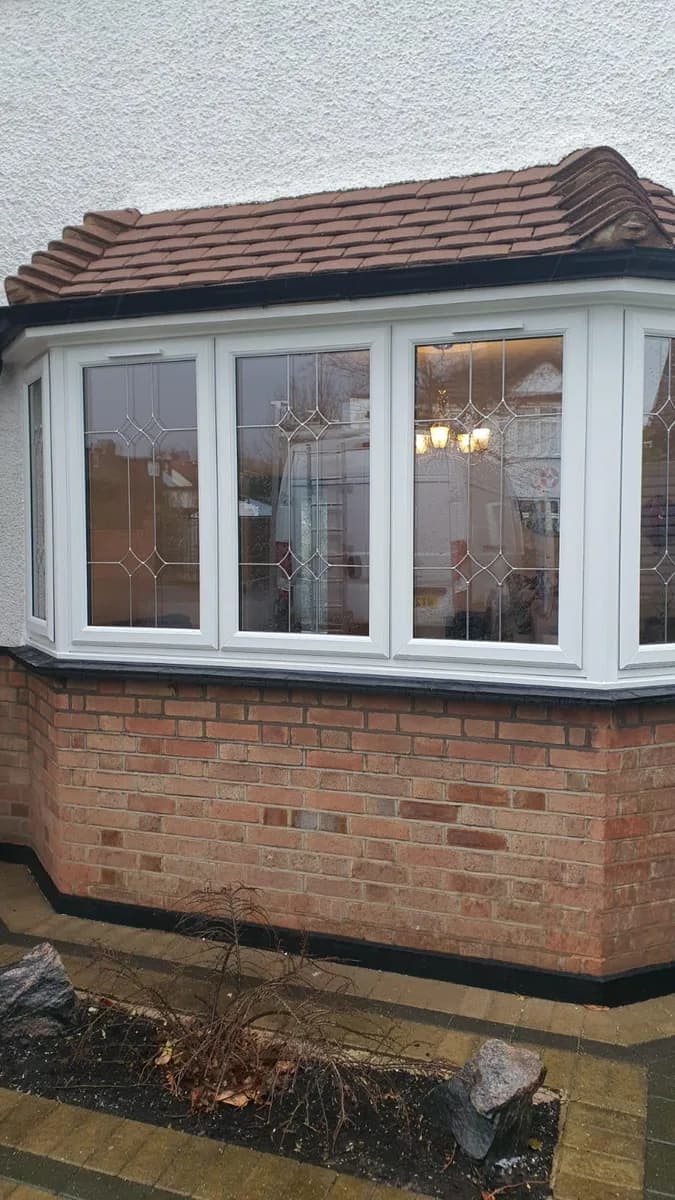
Revised Approved Documents L and F for dwellings were published in March 2026. The government's building circular 01/2026 says the related changes to the Regulations come into force on 24 March 2027, with transitional arrangements. A document published in 2026 does not automatically govern work carried out in October 2026. Which edition applies depends on the work and its dates, so ask your installer to confirm it on the quote.
Fresh air: Part F
Part F covers ventilation. A tighter-fitting replacement can change how fresh air gets into a room. The survey should note existing background ventilators, opening windows and any other ventilation before the new windows are specified. Trickle vents may be needed, depending on the room and what is already there. The government publishes the current editions on its Approved Document F page.
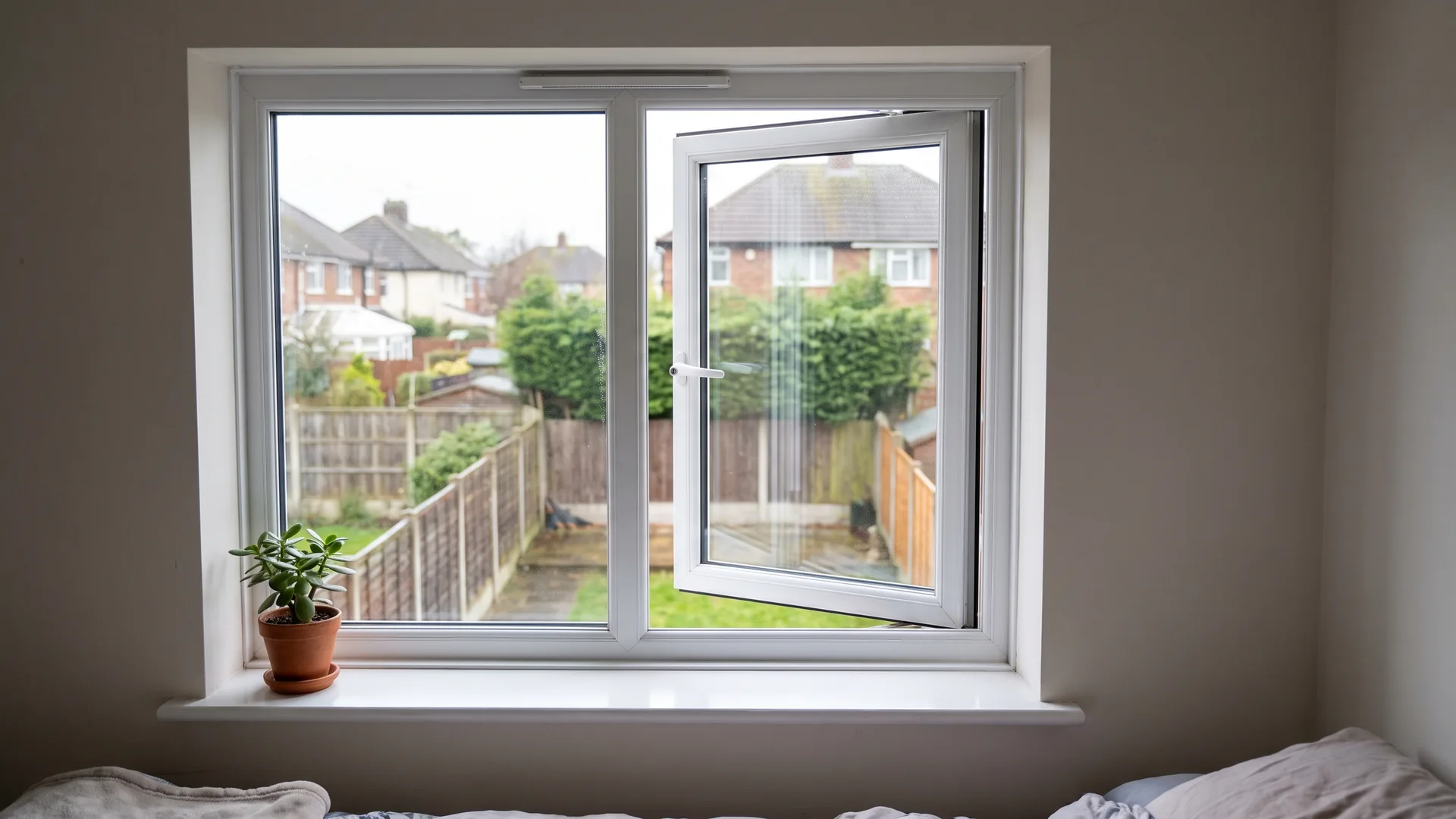
Ask the installer to show how background and purge ventilation will be kept for each room, particularly where there are existing vents or signs of condensation. An opening window and a background ventilator do different jobs. On our casement windows, trickle vents can sit in the frame head so a room gets background ventilation without the sash being opened.
Impact safety: Part K
Part K protects people from collisions with glass. The Planning Portal lists the critical locations where safety glass is needed: any panel up to 800mm from floor level, any glazed door up to 1500mm from floor level, and any side panel within 300mm of a door edge, up to 1500mm from floor level. What matters is where the glass sits, not which room it is in. Mark low-level panes and glass beside doors on the survey so the glazing specification is clear.
Escape and fire spread: Part B
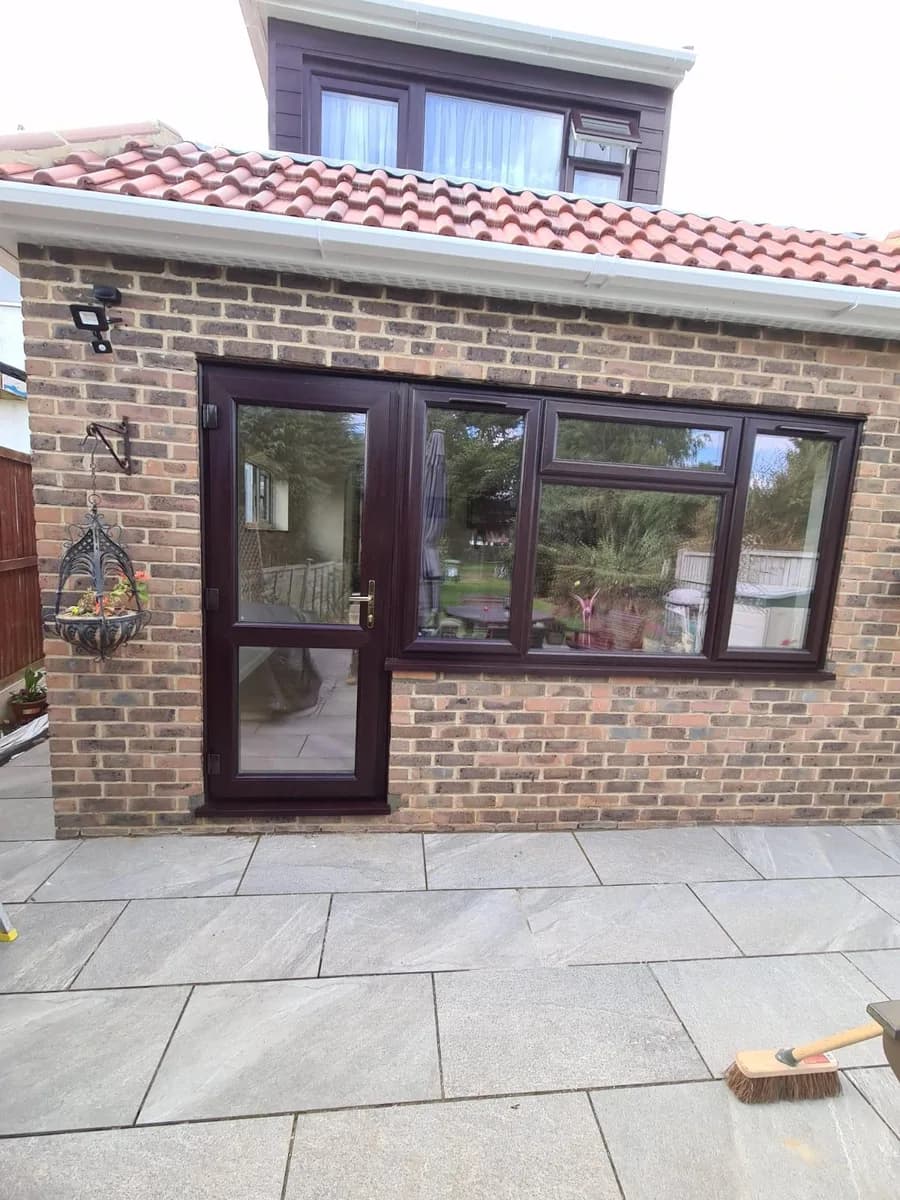
A replacement window should give at least as much potential for escape as the old one. A thicker frame, a fixed section or a different opening style can narrow the clear opening without changing the outside size. Where an escape window is needed, the guidance asks for a clear openable area of at least 0.33m², with neither the width nor the height under 450mm, and the bottom of the opening no more than 1100mm above the floor. Those figures do not make every window in the house an escape window.
Where a casement needs to open wider for escape, a fire egress hinge can be fitted. Fire spread near a boundary can affect the specification too. Tell the surveyor if you plan to enlarge an opening or change what it is used for, because that work may need a separate building control assessment.
Who certifies replacement windows?
You can use an installer registered for replacement windows with an authorised competent person scheme. They can self-certify the installation, and you receive a certificate. FENSA is one scheme, but not the only one. If the installer is not registered with a relevant scheme, or you fit the windows yourself, a building control body can assess the work and issue a certificate if it is satisfied.
Settle the route before work starts. The quote should name the scheme covering the windows, or the building control body handling the job. A product guarantee, energy label or receipt does not replace the compliance certificate.
What paperwork should you keep?
Keep one folder, paper or digital, for the whole job:
- The itemised quote and agreed window schedule, showing what was fitted where, including opening arrangements, glazing and ventilation
- Any planning permission or listed building consent, with the approved drawings
- The competent person scheme certificate, or the building control completion certificate
- The final invoice, product information, operating instructions and the written guarantee
If the certificate has not arrived, ask the installer or the building control body responsible. An invoice does not prove compliance. Keep the certificate with your property records for future alterations or a sale.
If a window is being replaced because of a fault, the survey may show that a repair is the better option. Our repair process is a survey visit to diagnose the fault, ordering any parts needed, then booking the repair. We do not offer same-day or emergency repairs. A glass or hardware repair does not necessarily follow the same certification route as replacing a whole window. For what the replacement survey itself covers, read what happens at a window and door replacement survey.
How Cii can help
Cii Double Glazing is a family-run business, established in 2009, and our team has over 55 years of combined experience. Our own team surveys and fits uPVC and aluminium windows across Essex, East London and Hertfordshire, and we record escape openings, safety glass and ventilation room by room at the survey. We are registered with Assure Certification as our Competent Person Scheme, so qualifying replacement windows we fit can be self-certified and you receive the certificate for your records. Every installation carries our 10-year installation guarantee. Book a free home survey and written quote.
FAQ
Do you need building regulations approval for new windows?
Yes. An external window is a controlled fitting under the Building Regulations, so a replacement in an existing home in England has to meet them. A registered installer can self-certify under a competent person scheme. Otherwise, approval comes from a building control body. Planning permission is a separate question.
At what height does glass need to be safety glass?
The critical locations are any panel up to 800mm from floor level, any glazed door up to 1500mm from floor level, and any side panel within 300mm of a door edge, up to 1500mm from floor level. Toughened glass is one type of safety glass. Each pane is specified by where it sits.
How big does a bedroom escape window need to be?
Where a window is needed for escape, the guidance asks for a clear openable area of at least 0.33m², with neither the width nor the height under 450mm, and the bottom of the opening no more than 1100mm above the floor. The surveyor measures the clear opening, not just the frame, so the replacement keeps at least the old window's escape potential.
Will I get a certificate when Cii fits my windows?
Yes, for qualifying replacement windows. We self-certify the work through Assure Certification, our Competent Person Scheme, and the certificate is provided on completion. Keep it with your guarantee and property records, because a buyer's solicitor may ask for it.