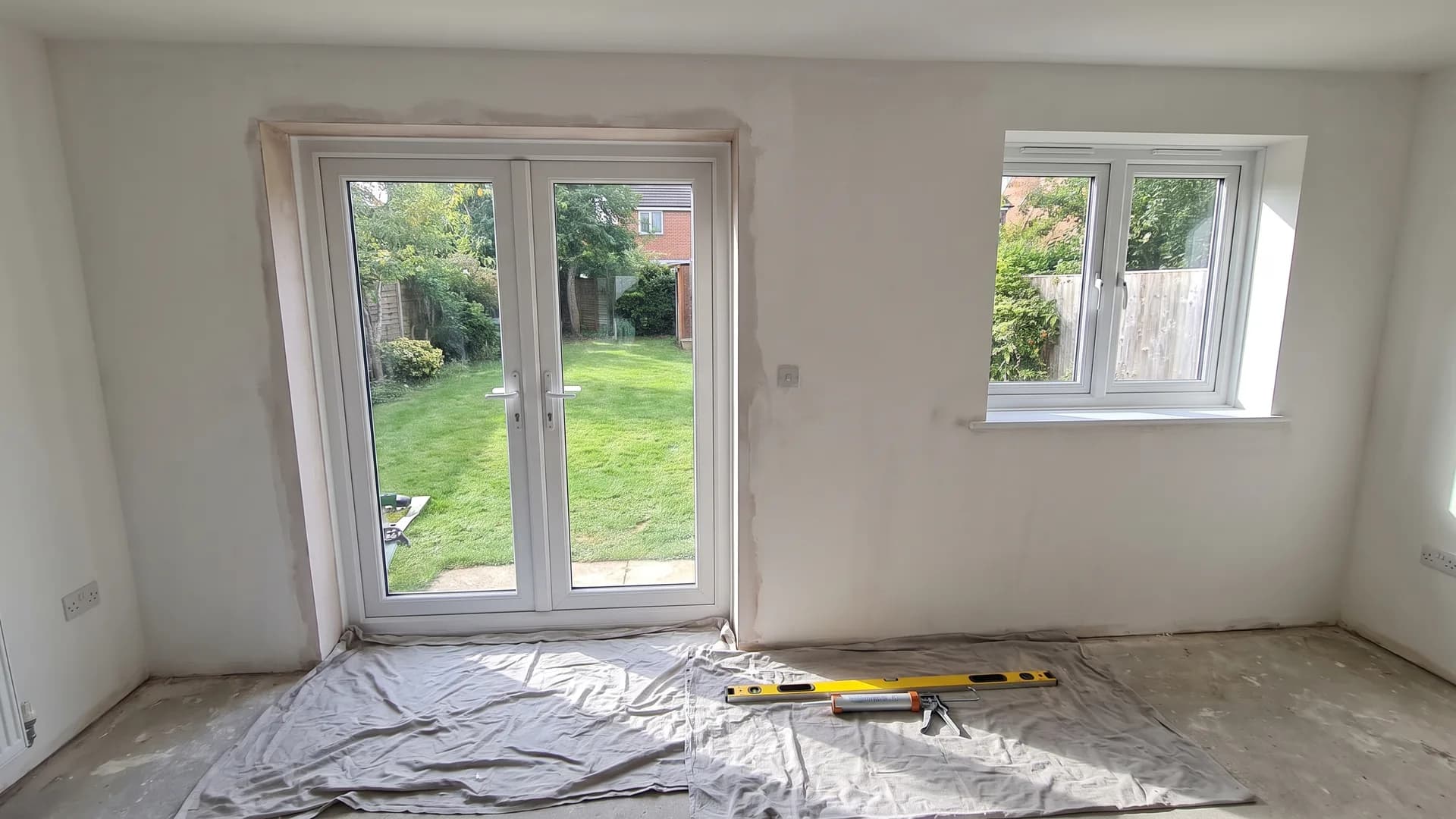
If you plan to install doors and windows, settle the measurements, product choice and fitting scope before the old frames come out. Get any of those wrong and you could face delays, draughts or a bill for work you thought was included. A measured survey and a written quote give you a sound starting point.
Before you book: know what the job includes
Replacing a window or external door calls for a survey of the opening and surrounding wall. Making a new opening may also involve structural work and separate approvals. Tell the installer about leaks, sticking frames, damp patches or previous repairs while they prepare the quote, because these can affect what needs doing.
Ask who will survey, supply and fit the units, who will remove the old ones, and who will make good the reveals. If only the glass, hinges or locking mechanism has failed, a window or door repair may be a better use of your budget than replacing the entire frame. Our repair process is a survey visit to diagnose the fault, ordering any parts needed, then booking the repair. We do not offer same-day or emergency repairs.
| Decision before ordering | What to settle |
|---|---|
| Scope | Which openings are included, whether any are being altered, and whether repair is viable |
| Product | Frame, glazing, opening style, threshold, finish and hardware |
| Site work | Removal, disposal, access, protection and making good |
| Completion | Operational checks, paperwork, guarantee and any snagging |
Seven mistakes to avoid when installing doors and windows
1. Ordering from rough measurements
A quick measurement across the visible frame misses details a manufacturing survey needs. The opening may be out of square, plaster may hide the frame edge, and the sill may project beyond it. If you order from rough dimensions, the new unit may not sit or seal as it should.
Have the installer measure each opening and note the sill, reveal, frame depth and access. Point out anything that meets the frame, such as a kitchen worktop, shutter or tile edge. An old plan or the nominal size of the previous unit is not enough to sign off an order. Our guide to what happens at a window and door replacement survey explains what gets measured.
2. Choosing a specification that does not suit the room
A bathroom window needs privacy and ventilation. A garden door needs room to swing or slide, plus a threshold that works for the people using it. On a period frontage, profile and sightline may matter as much as frame material.
Look beyond the sample colour. Agree which sashes open, the door swing and its clearance, glass and any safety requirements, locks, handles, trickle vents and the threshold. In a wide opening, furniture placement and the way you move through the room may steer you towards French doors, sliding doors or aluminium bi-fold doors. Get the complete specification in writing before the order goes in.
3. Assuming compliance will take care of itself
In England, replacement windows and some doors fall under building regulations. A registered competent person installer can self-certify the work. Otherwise building control approval may be needed. Requirements are not identical for every replacement, so settle the paperwork route before fitting.
"An installer (for example of windows or boilers) who’s registered with a scheme can self-certify that their work complies with building standards." GOV.UK: Use a competent person scheme
The same page says the installer will give you a certificate within 8 weeks of completion. Settle which openings need approval, who handles notification and what certificate you will receive. Our replacement window building regulations checklist goes into the detail. If a room relies on its window for escape or ventilation, keep that function in mind when changing the opening style. Enlarging an opening means planning structural work, so it cannot be treated as a simple swap.
4. Accepting a quote that leaves the edges unclear
You cannot compare two quotes if one covers removal, disposal and finishing while the other covers only supply and fitting. A quote that says "new double glazing" leaves the choice of hardware, glass and trims open to dispute.
The quote should identify each unit and its specification, along with removal, disposal, making good, exclusions, payment stages and the guarantee. Ask how any damage uncovered when a frame comes out will be explained and agreed. If the fitters find rotten timber or failed masonry, agree the remedy in writing before any extra work is carried out.
5. Forgetting access and protection on fitting day
An installer needs space around each opening. A packed window bay, an obstructed side passage or blinds left in place can slow the job and put nearby finishes at risk.
Agree access to every opening and a place to store materials before fitting day. Move small items and window dressings, and agree how floors, worktops and nearby finishes will be protected. If the job needs scaffolding or parking space, put it in the plan and the quote ahead of delivery.
6. Treating the seal and finish as cosmetic details
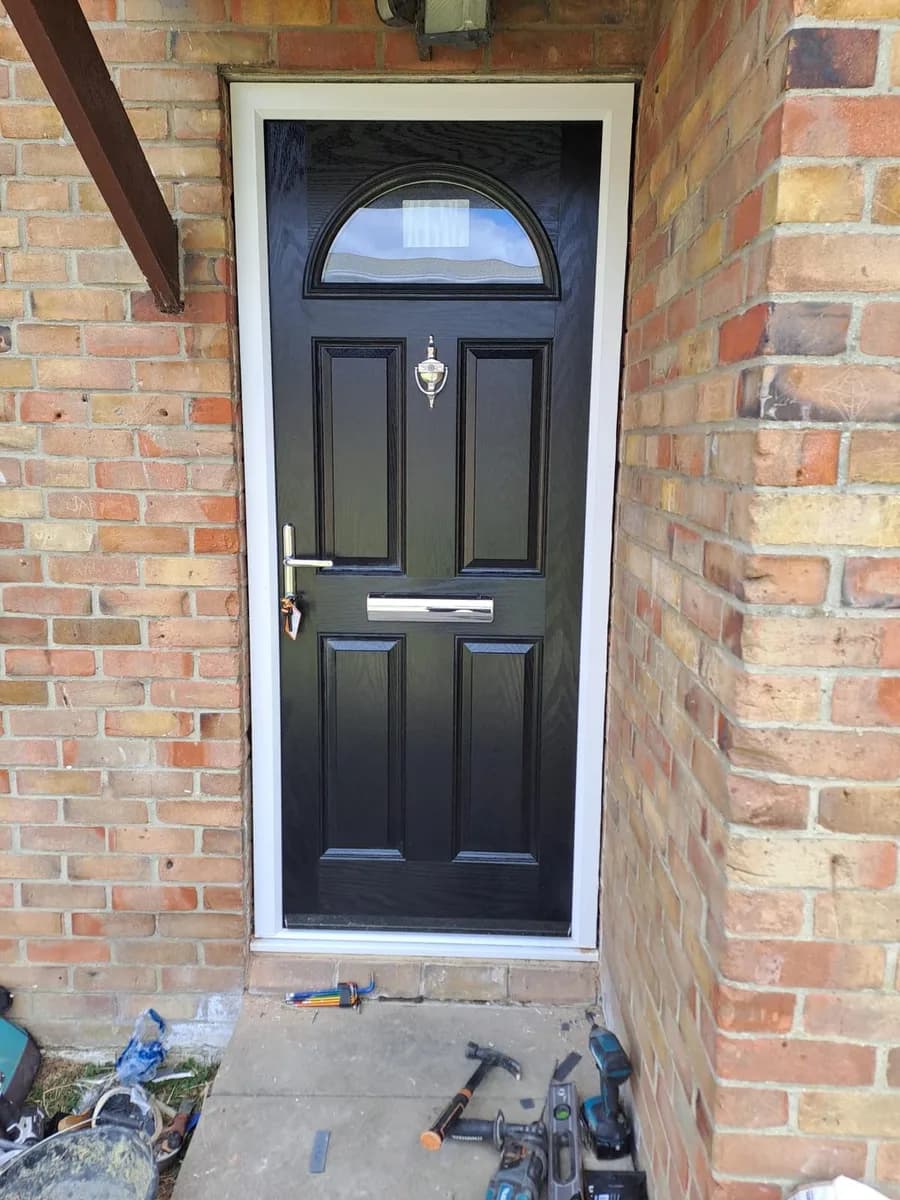
A frame can look straight from across the room but still let in draughts or water if it has not been supported, fixed or sealed well. Expanding foam and cover trims cannot make up for a frame fixed in the wrong position.
Discuss the sill and perimeter finish with the fitter before they remove the old unit, particularly if you have seen water coming in around it. Point out gaps or damage while the team is still there. Outside, the finished detail should shed water. Inside, the seal and surrounding finish should be sound.
7. Skipping the handover
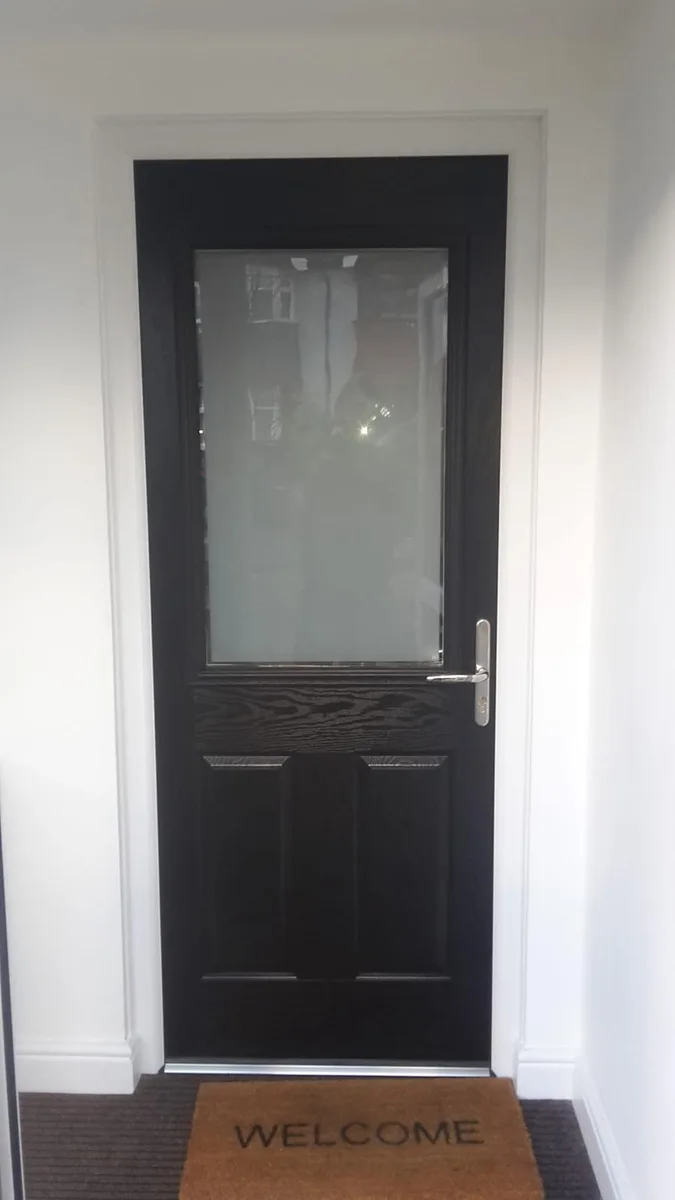
Once the team clears up, open and close every sash and door. Try the locks and handles, check for catching at the threshold, and compare the glass and finish with your order. Look at the seals and nearby plasterwork from both sides where you can reach them.
Write down snags before signing the completion paperwork. Keep the specification, invoice, guarantee and any compliance certificate together. Ask the fitter to show you how to care for the hardware and who to contact if a lock, seal or hinge needs attention later.
A simple installation checklist
For a straightforward replacement, the team surveys and orders the unit, prepares the site, removes the old frame, fixes and glazes the new one, seals it, then checks operation at handover. A damaged opening or wall should be repaired before it is covered with trims. If wet or windy weather makes access or external sealing unsafe, agree another fitting date.
| Stage | The question to ask |
|---|---|
| Survey | Has each opening been measured and have defects around it been noted? |
| Before ordering | Does the written specification match the opening style, glass, finish and hardware I agreed? |
| Before fitting | Does the quote cover removal, disposal, access and making good? |
| On fitting day | Are floors protected and have any unexpected issues been explained before extra work? |
| Handover | Do all units operate properly and do I have the agreed documents and a snagging contact? |
How Cii can help
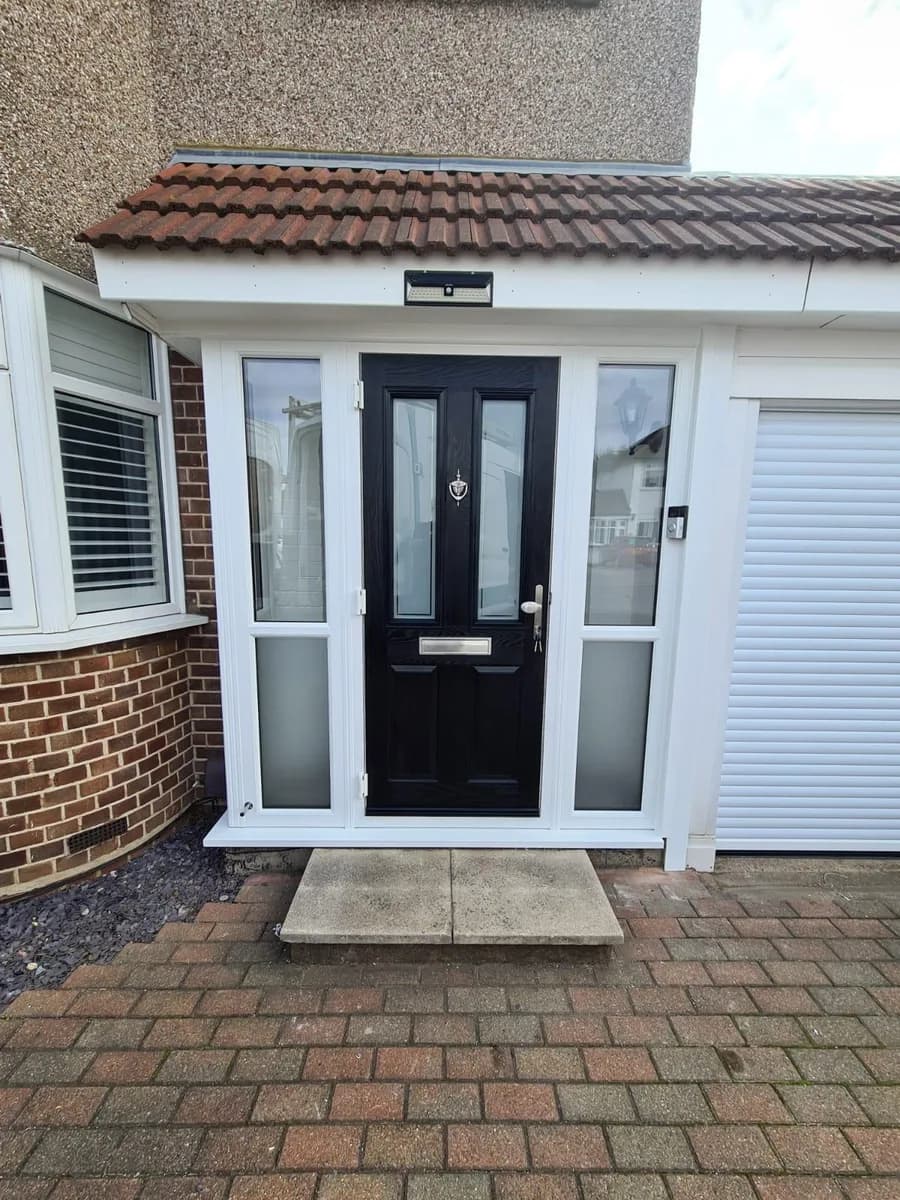
Cii Double Glazing is a family-run business, established in 2009, and our team has over 55 years of combined experience. Our own team surveys and fits windows and doors across Essex, East London and Hertfordshire, so the people who measure the openings are the people accountable for the finish. We start every job with a home survey to see whether repair or replacement makes sense, then set out the specification and scope in an itemised written quote. Every installation carries our 10-year installation guarantee. Book a free home survey and written quote.
FAQ
What happens if the fitters find damage when the old frame comes out?
Some damage, such as decayed timber or loose masonry, only shows once the old frame is out. The fitter should stop, show you what they have found and explain the options. Agree any extra work and its cost in writing before it goes ahead.
Will the old windows and doors be taken away?
Only if removal and disposal are in the quote. Check that the written scope names removal and disposal of the old frames and glass, so it is clear before fitting day.
Do I need to be at home on installation day?
It helps to be there at the start to agree access and protection, and at the end for the handover. You will need to check that every unit opens, closes and locks, and to receive the paperwork.
What should I do if I notice a problem after the fitters have left?
Contact the installer with a description of the fault and when it started. Keep the guarantee and specification to hand, as they show what was supplied and fitted. A sticking lock, a dropped sash or a gap in the seal is usually a matter of adjustment or a part, and the installer should arrange a visit to check it.